Drought, Floods, and Fires – We Know They’re Coming – Are We Prepared?
Is Alberta doing enough to prepare for the looming disasters headed our way, or will we just react after the fact?
Politicians nationwide recently met in Ottawa to discuss a coordinated response to potential global warming-driven water and fire emergencies.
Given the low snowpack and ongoing drought across Alberta, the threat of water shortages and catastrophic wildfires in Alberta, the province is once again in red alert.
Coordination across provinces is not only a great idea., it’s essential.
However, if it means we’ll still be reacting and responding to emergencies on a case-by-case basis, we’ll be caught doing disaster cleanup instead ofdisaster prevention.
A Wake-Up Call?
Last year’s stingy snowpack and the record-breaking hot, dry summer was sobering.
The scorching weather led torecord-breaking wildfires in the West, rapid glacier melt, low river flows and a drought that had many Albertan farmers and families relying on trucked-in water to keep the taps flowing.
More than 20 districts, mostly in southern Alberta, have declared agricultural disastersdue to drought.
That’s scary.
2024 is likely to be just as hot and dry as 2023 unless we get some late heavy snow and rainfall come springtime.
But, even though we all know what might be coming, the question is, “Are we prepared?”
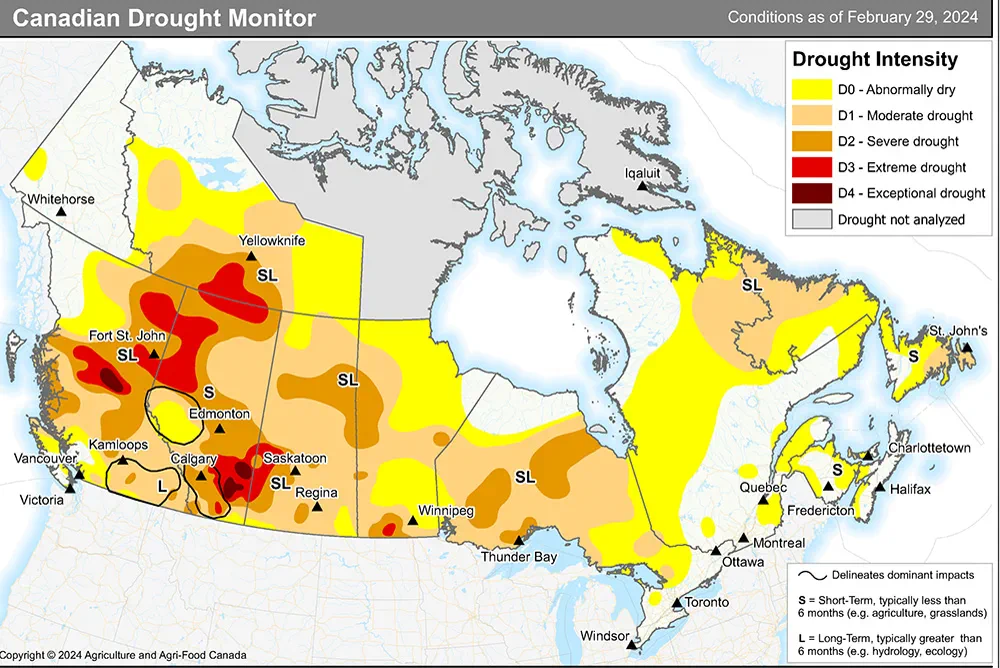
Agriculture Canada’s drought monitor map for February 29, 2024 | Agriculture Canada
Planning for Disasters
Merely staffing emergency coordination war rooms in case of a disaster won’t be enough.
As argued recently in a National Observer story about drought preparedness, we need to anticipate disasters, identify our vulnerabilities, and plan for them.
“We need national co-ordination, new investment and novel technologies applied to the prediction of floods, water quality and droughts, and identification of risk to properties and infrastructure,” writes guest columnists Bob Sandford, John Pomeroy and Thomas Axworthy.
We’re also way past the point of considering disaster risk management and climate change adaptation as two separate things.
“In the past, the two policy fields have operated largely in isolation from each other. Increasingly, however, countries are seeing the shortcomings of such “silo” approaches and are seeking to systematically link climate change adaptation and disaster risk reduction,” according to areport published by the International Strategy for Disaster Reduction.
The Alberta government has wisely sent out notices to 25,000 water license holders to kickstart discussions about the need for water sharing if our dry winter continues.
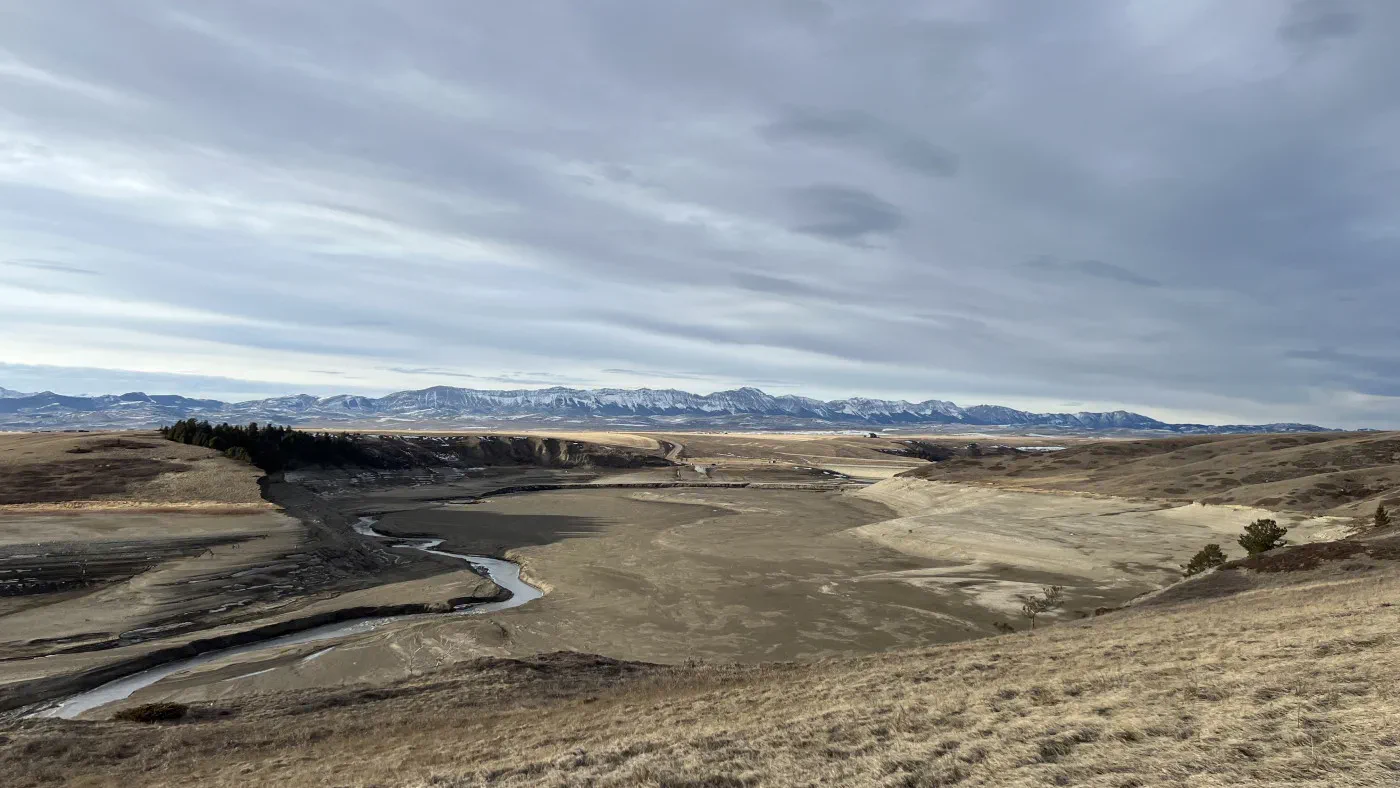
The Oldman River Reservoir is almost completely dry | Alberta.ca
Local Preparations
The residents of**Edson and Yellowhead County don’t need disaster reminders. Last year, they were in the crosshairs of extreme weather.
Edson was evacuated twice – once for wildfires and once for floods.
That’s why local politicians have held fire-smart workshops to train folks on tree clearing and sprinkler systems to safeguard property.
Other nearby Yellowhead communities are also taking stock of firefighting equipment to ensure they’re prepared.
That’s important stuff.
Bigger Picture Planning
However, long-term disaster preparedness takes next-level planning. It takes resources. It requires planners to think about both the big picture and local circumstances.
That’s beyond the scope of local governments. The province needs to lead the way.
It means creating fire guard buffer zones around vulnerable communities.
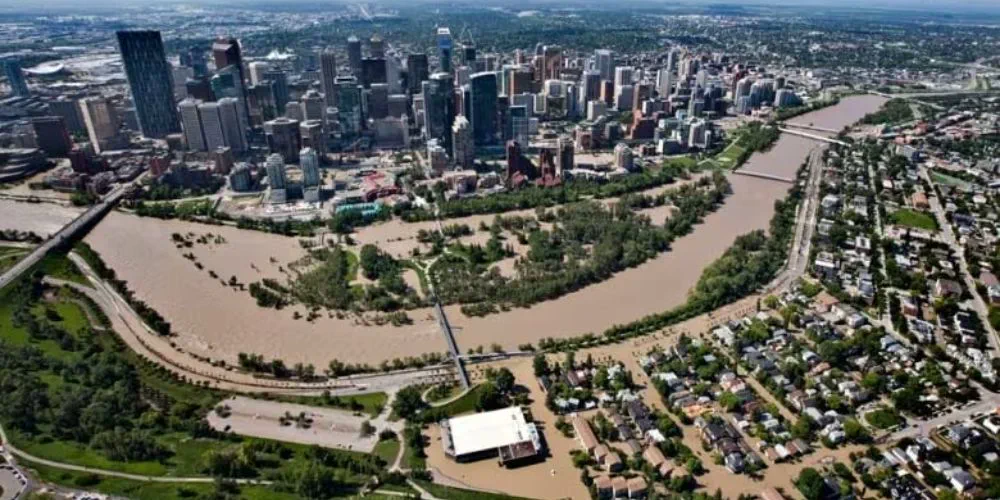
It means re-mapping flood-prone neighbourhoods to reflect new climate realities, and re-thinking where we build and don’t build in the future.
Without this kind of planning, we’ll be just sticking on expensive Band-Aids, year after year after year.
All of this planning and preparation will cost money, and governments at all levels need to invest in future-proofing for disasters.
In the end, it will cost us more money, life, and property lost if we reactafter the fact rather than prepare in advance.
“We can no longer just wait for climate disasters to happen and try to manage them,” according to the authors of The National Observer column.
Is Alberta Doing Enough?
In Alberta, we have the ‘can-do” attitude and resources to make proper preparations, but does our provincial government have the forward-looking vision to invest in disaster preparedness?
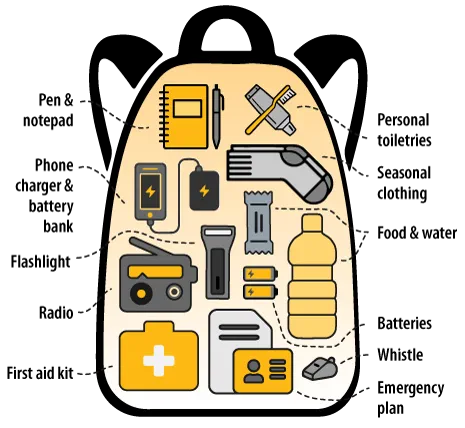
Recommended items for a go bag | Government of B.C.
As part of the recent provincial government budget, $125 million was announced to protect Alberta communities against flood and drought.
The government says it will accept funding applications from municipalities and Indigenous communities that want to design and construct projects to protect against flooding and drought.
The UCP government also announced that it would set aside a $2 Billion fund for disaster responses.
In 2023 alone, the province spent $2.9 Billion in drought and wildfire expenses.
In a press conference, Forestry and Parks Minister Todd Loewen said, “I think with a $2-billion contingency, we’re going into this year in good shape, in that way.”
Heather Sweet, NDP agriculture, forestry and rural economic development critic, begged to differ, telling CBC News that the government is “planning for the upcoming wildfire season on a hope and a prayer.”
In a Facebook search for rural community action on disaster preparation, we found that many rural Albertans are not waiting for the province to prepare for drought and fire; they have taken on the task themselves by fire-smarting, adding sprinkler systems, collecting and conserving water, and preparing go-bag emergency kits.
Disaster preparation seems to be happening from the grassroots, rather than the top down.
Are you ready?
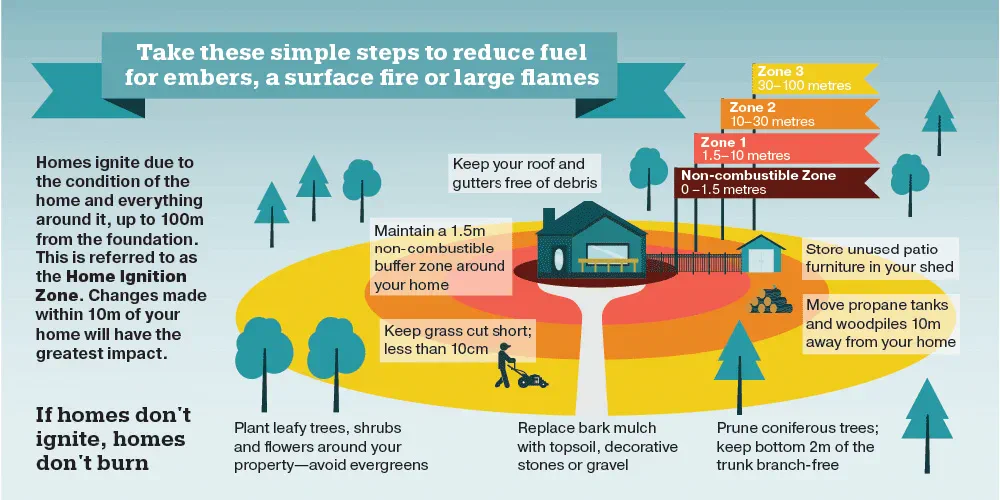
How to fire smart your home | Municipality of Wood Buffalo