The Most Endangered Ecosystem in Canada Is Right Here in Alberta
Alberta’s native grasslands are disappearing fast, but a surprising alliance between ranchers and conservationists is helping to turn the tide.
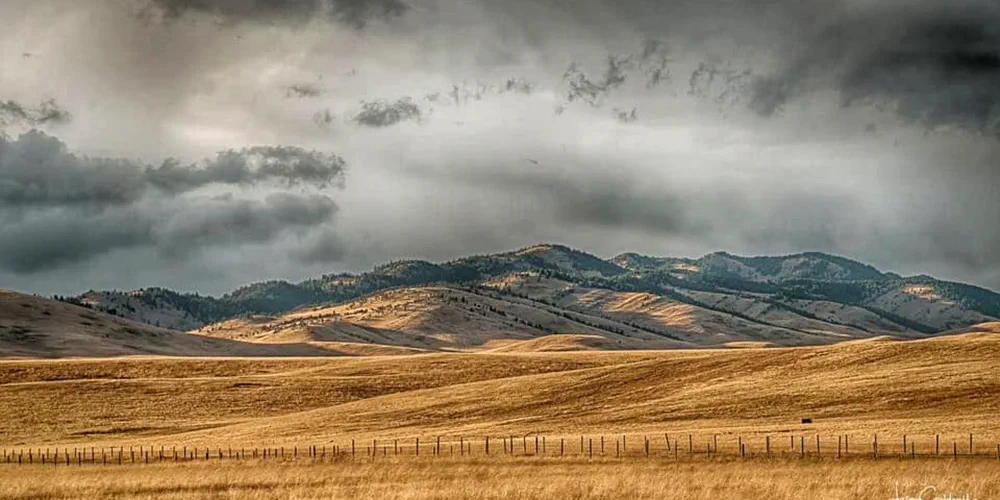
What’s the first thing that pops into your head when you think of Alberta’s most iconic landscapes?
For most people, it’s the majestic Rocky Mountains—no surprise! Their snow-capped peaks and breathtaking views are famous worldwide (and hey, that’s why we’re TheRockies.Life!).
Next up? Alberta’s vast prairie vistas.
But here’s the thing—when people picture the prairies, they usually think of endless fields of golden canola waving under bright blue skies, not native grasslands.
And that’s a bit of a shame because Alberta’s original prairies—its natural grasslands—are some of the most endangered ecosystems on the planet. In fact, only about 26% of Alberta’s native prairie remains in anything close to its natural state.
These once-thriving landscapes, stretching from Edmonton’s parkland to Montana, Saskatchewan, and Manitoba, have been under threat for over a century.
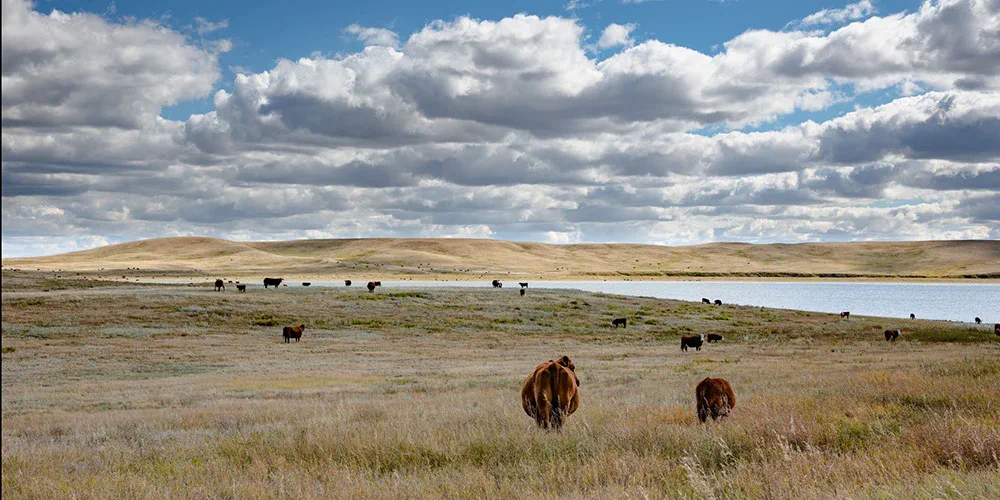
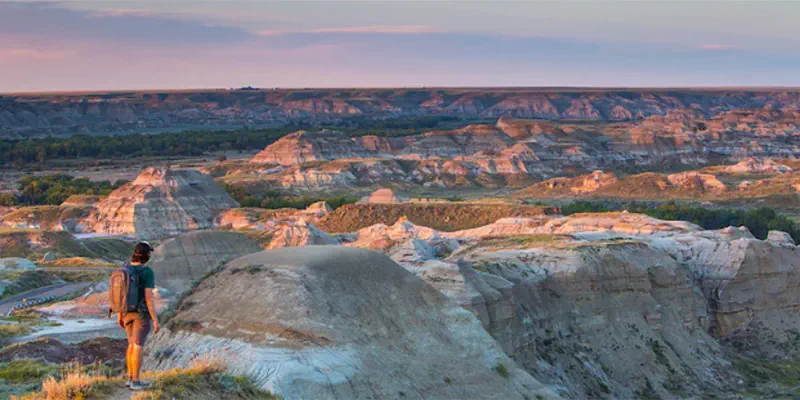
An often overlooked iconic Alberta landscape; native prairie grassland | Leta Pezderic | The Globe and Mail
Threats to Alberta’s Grasslands
We’re losing our grasslands, and the reasons aren’t surprising—it’s the usual culprits. The biggest threat? Habitat loss, driven by industrial growth and expanding cities. Cultivation is the main offender, as native grasslands are steadily being converted into cropland, especially in areas where irrigation makes farming more feasible.
Then there’s Alberta’s rich underground resources. Sitting atop major oil and gas reserves, these grasslands are prime targets for energy development.
And with Alberta’s population on the rise, residential expansion ispushing further into native prairie, nibbling away at what’s left.
But it’s not just development that’s hurting our grasslands. Habitat fragmentation—where large prairies are carved into small, disconnected patches—disrupts crucial ecological processes. Invasive weeds muscle out native species, throwing entire ecosystems off balance. And overgrazing, when rangelands don’t get enough time to recover, weakens the land’s natural ability to thrive.
Piece by piece, we’re chipping away at an ecosystem that’s not just vital for wildlife but for us, too.
Alberta’s grasslands are crucial in carbon sequestration, biodiversity preservation, and the development of sustainable agriculture. Native grassland provides habitat for numerous species at risk, with more than 75% of Alberta’s endangered species found in the Grassland Natural Region. Additionally, these ecosystems offer ranchers sustainable livelihoods and low-impact recreation opportunities.
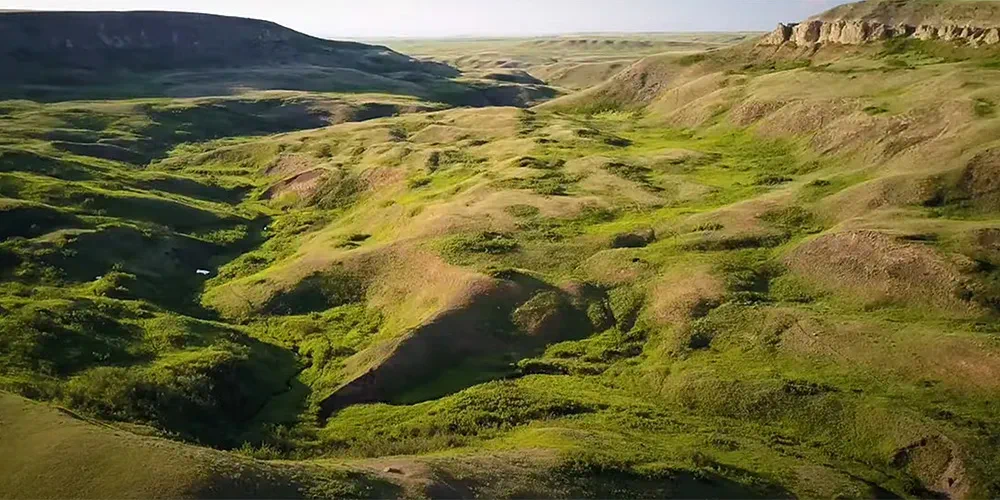
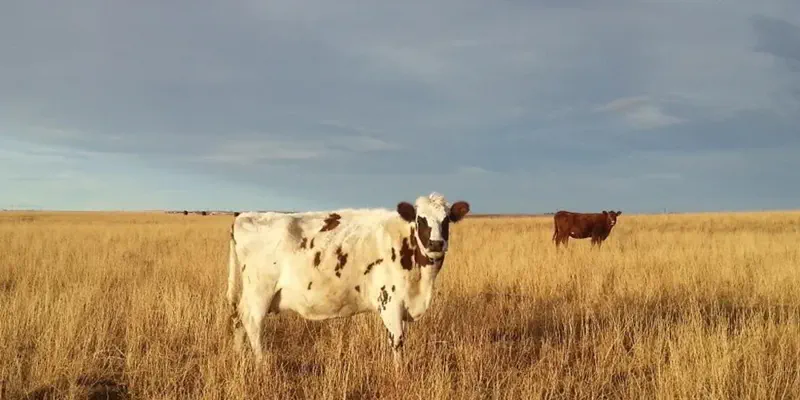
The rolling grasslands of McIntrye Ranch in southern Alberta | Ducks Unlimited
Success Stories in Grassland Preservation
When you think of habitat preservation, you might picture hardcore environmentalists fighting to keep every inch of land untouched by human activity.
On the flip side, you might imagine farmers and ranchers who rely on the land to make a living, wanting to alter the natural landscape to raise crops or cattle, sometimes at the expense of native prairie.
But here’s the twist—both groups deeply love the prairie landscape. And that common ground has led to some breakthroughs. Environmentalists have recognized that agriculture and conservation don’t have to be at odds, and ranchers and farmers have embraced more sustainable practices that keep the land healthy for the long haul.
The result? A win-win. Grasslands stay intact, supporting wildlife and ecosystems, while local livelihoods remain strong. It’s proof that when people come together, even the most unlikely partnerships can create real, lasting change.
NCC and Rancher Partnerships
One of Alberta’s most successful conservation partnerships is between cattle ranchers and the Nature Conservancy of Canada (NCC)—thanks to an innovative approach called a conservation easement.
A conservation easement is a voluntary legal agreement between a landowner and a conservation group (like the NCC) that helps protect natural landscapes by limiting development and land use. In this case, the NCC provides financial support to ranchers, helping offset any short-term income losses while also boosting the long-term value of their land. In return, ranchers can continue raising cattle sustainably—using rotational grazing methods that mimic the natural role of bison in the ecosystem.
Now, the NCC has set its sights onan ambitious goal: protecting more than 500,000 hectares of grassland by 2030 across the Prairie provinces. That’s a massive conservation effort, requiring a whopping $500 million to safeguard an area six times the size of Calgary.
“What we’re trying to do is accelerate the rate of conservation in the Prairie Provinces, specifically in the grasslands,” said Jeremy Hogan, the NCC’s director of prairie grassland conservation, in an interview with CBC News.
And they’re already making big moves in Alberta. In April 2024, the NCC successfully raised enough funds to conserve McIntyre Ranch, a historic and globally significant property spanning over 22,000 hectares of native grasslands and wetlands.
Ralph Thrall said his family could have sold the McIntyre Ranch and made a healthy profit.
“If it was about the money, then yeah, we would be selling the ranch and living far more comfortably on the interest from the proceeds,” Thrall told CBC News about the agreement.
“That’s the price our family is prepared to make for the preservation of something that there isn’t very much left of.”
The McIntyre Ranch is the biggest private land conservation deal in Canada.
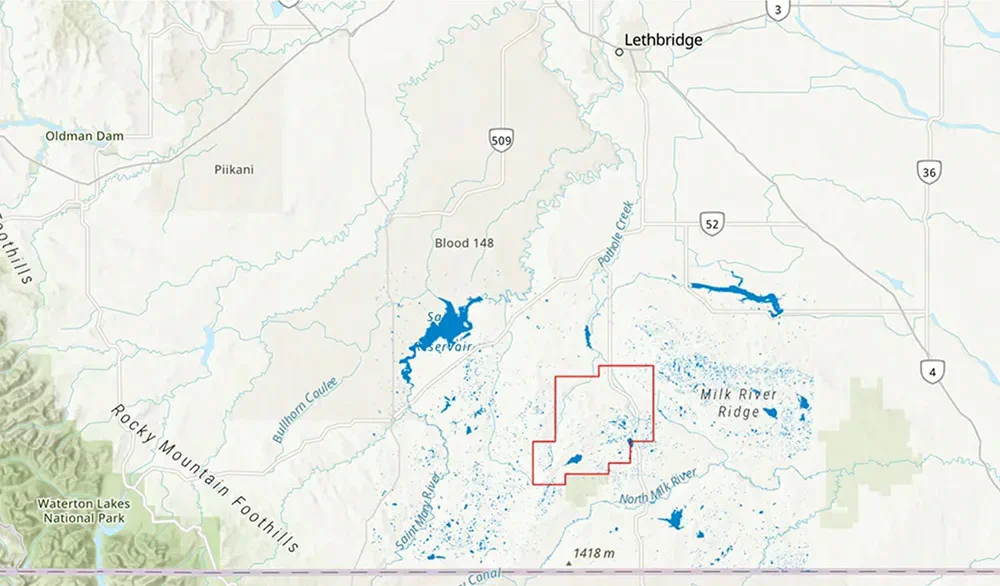
The location of the McIntyre Ranch outlined in red takes in a variety of wetlands and rolling fescue grassland | NCC
More of The Same Over and Over
That same year, the NCC, in partnership with the Waldron Grazing Co-Operative, also announced the protection of Bob Creek Ranch, a 1,027-hectare property nestled between Bob Creek Wildland Park and Porcupine Hills Forest Reserve. This ranch features diverse landscapes, including rolling ridges, lush waterways, and fescue grasslands.
Other rancher/NCC partnerships in Alberta include the 128-hectare Adams Ranch, the 323-hectare Bectell family ranch in southern Alberta, and the 129-hectare Gabert-Meeting Creek property in central Alberta.
These success stories prove that large-scale conservation isn’t just possible—it’s happening, thanks to the teamwork of ranchers, conservationists, government agencies, and local communities.
But the work is far from over. Grasslands are one of the most endangered ecosystems in Alberta, with only 1.29% currently protected by provincial legislation. That’s a dangerously low number, highlighting how urgent it is to ramp up conservation efforts before more of this vital landscape disappears.
If we want future generations to experience Alberta’s grasslands as they are today, action must happen now–and fortunately, Alberta ranchers have stepped up to the challenge of stewarding grassland like they always have.
Where else, except in Alberta, could a ‘red-neck’ rancher and an environmentalist academic unite for a common cause–the protection of McIntyre Ranch?
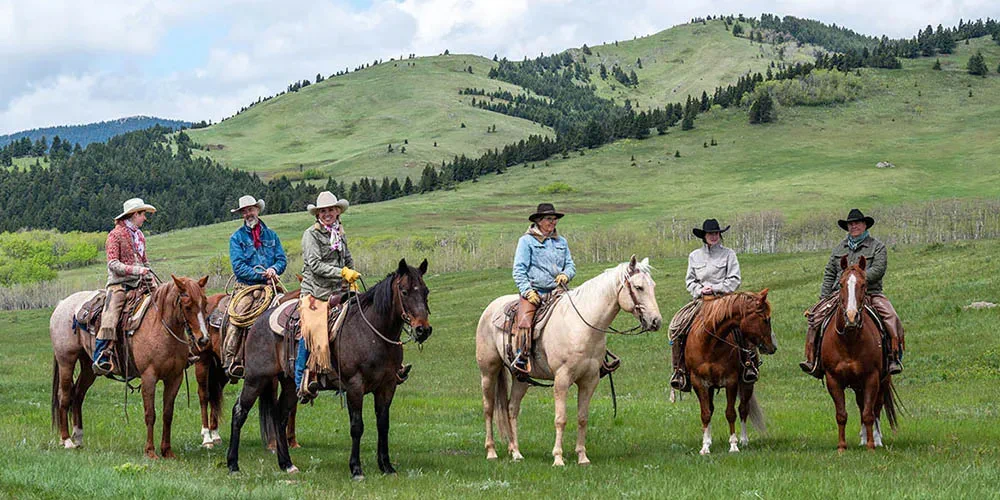
Ranchers from the Waldron Grazing Co-Operative celebrating the protection of Bob Creek Ranch | NCC