Sheep and Solar Panels: How Alberta Farmers Are Redefining Renewable Energy
With innovations like Solar Sheep Inc., renewable energy can work hand-in-hand with traditional farming practices.
The provincial government tightened the noose on renewable energy in early December by releasing an “agriculture first” policy full ofno-go zones for solar projects.
For instance, anyone proposing a wind or solar project on high-value agricultural land must prove it won’t negatively impact crops and livestock.
The new regulations follow a seven-month moratorium on renewable projects announced in August 2023.
Meanwhile, innovative thinkers are exploring using farmland to generate solar power and produce farm products. You know, a good old win-win situation!
Agrivoltaics to the Rescue!
Agrivoltics is an emerging, sustainable agriculture that looks promising.
This approach involves the coexistence of solar panels, crops, and livestock on the same land, creating a symbiotic relationship that benefits all components.
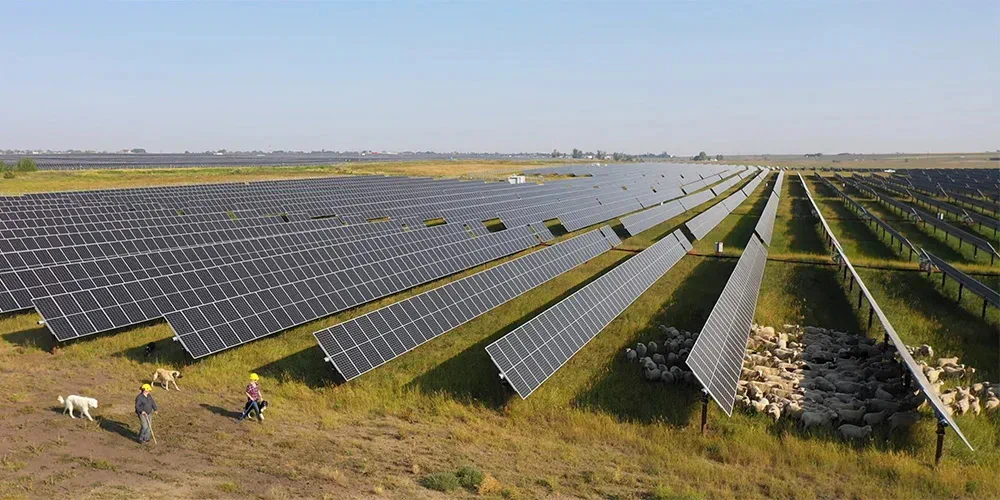
Alberta couple Janna and Ryan Greir have raised sheep for wool at Whispering Cedars Ranch in Wheatland County since 2012. Two years ago, the couple launched Solar Sheep Inc., a consulting business to pair livestock producers with solar owners for mutual benefit.
Solar Sheep Inc.’s motto is “Farming under every panel.”
It’s a win-win. Solar farmers generate clean energy while livestock munches happily and keeps vegetation under control.
Joshua Pearce is an information technology and innovation professor at Western University. He recently led a study showing how the age-old profession of sheepherding can generate a significant income when paired with solar farming.
Pearce says these so-called solar shepherds can earn a doctor’s salary!
“Agrivoltaics uses land far more efficiently than simple farming — it not only produces clean energy but also enhances agricultural output, yielding more food than traditional farming methods,” wrote Pearce in an article about his study in The Conversation.
The study examined the profitability of agrivoltaic sheep grazing and lamb husbandry business models in Ontario using two case studies: a small 200-kilowatt project and a sizeable 465-megawatt project.
“All the results showed a massive profit,” says Pearce.
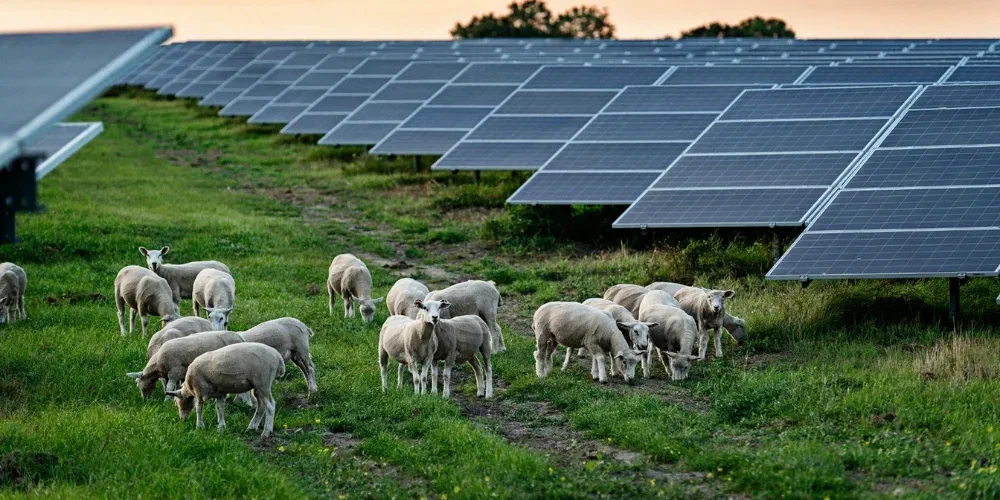
A lucrative future for sheep farmers in Alberta? | State of Green
Good Pay for Hard Work
Solar sheepherding is not without challenges.
The sheep must be constantly moved to control weeds on the solar farms. That means moving fences to keep sheep in areas in need of ‘sheep munching.’
There’s also the threat of predators, such as wolves, coyotes, pet dogs, bobcats, cougars and eagles. Sheep also need water.
Considering all these factors, agrivoltaics is more complicated than simply mowing down weeds with a machine.
Despite the start-up and planning challenges, Pearce still considers agrivoltaics a big win for clean energy and creating more sustainable, healthy, and productive farmland.
“Given these results, all existing solar farms should have sheep working on them to cut the grass. This approach would increase local sheep production while lowering consumer costs,” Pearce says.
Back in Wheatland County, Janna and Ryan Greir are proving the point. When the couple looked at expanding their four-acre sheep farm, they struck a three-year sheep grazing deal with a nearby solar farm operator.
“What we’ve noticed in the last couple of years is that the grass definitely grows in a different way. It grows thicker, and it seems to retain more moisture because it gets more shade under the panels,” says Janna Greir.
It all adds up to healthy, happy sheep.
The Greirs produce an annual harvest of lush wool from sheep that graze on a piece of land that generates green solar energy.
How’s that for an elegant business solution showing solar energy and farming can coexist?
With farmers proving solar and agriculture can coexist, there should be more opportunity for the growth of renewables on farmland, benefiting everyone involved, including the environment.
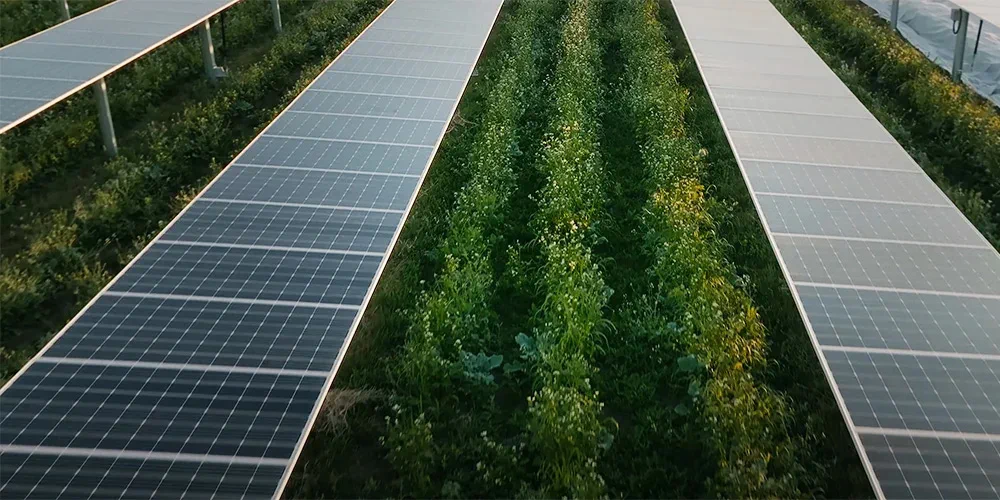
Agrivoltaics benefits more than livestock farmers. Crops do better under solar panels. The shade provided by the solar panels creates a microclimate that can protect crops from extreme weather conditions, potentially extending the growing season and improving yield quality. There is a benefit to the solar panels as well. The plants cool the soil and release water vapour during photosynthesis, which helps cool the solar panels, increasing the panels’ efficiencies. Generally, the cooler a panel can be, the more energy-efficient it is | Jack’s Solar Farm