
Peacock Sighting Brings a Spot of Colour to Southern Alberta
Forget deer and pronghorn—southern Alberta’s latest visitor was a curious, runaway peacock.
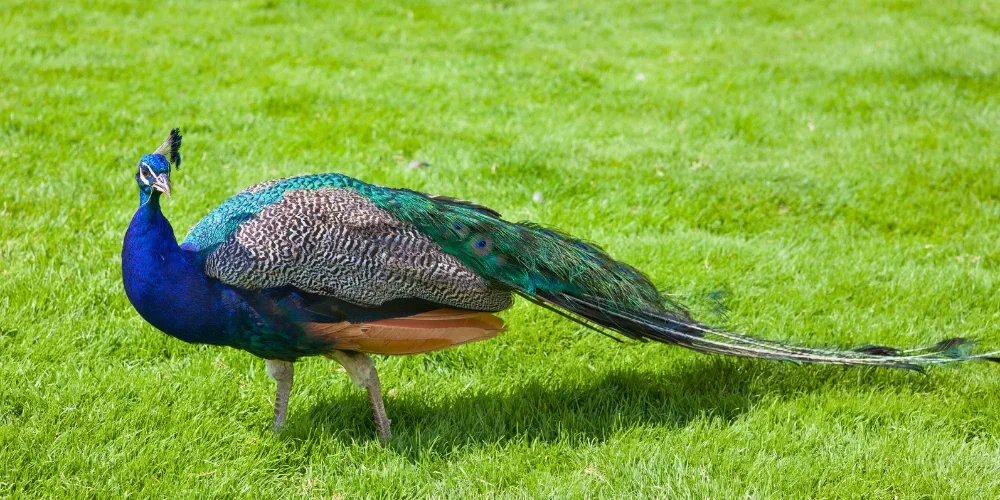
Southern Alberta is known for its patches of golden wheat fields and vast ranchlands. So when a peacock was spotted strutting across the region, it stood out like a sore thumb.
Kathy Osbak uploaded a video of the bird toFacebook. In the video, the peacock runs alongside her, a blue blur in a sea of tall brown grass.
Our province’s south is known for white-tailed deer and pronghorn, not peacocks. So where did the bird come from?
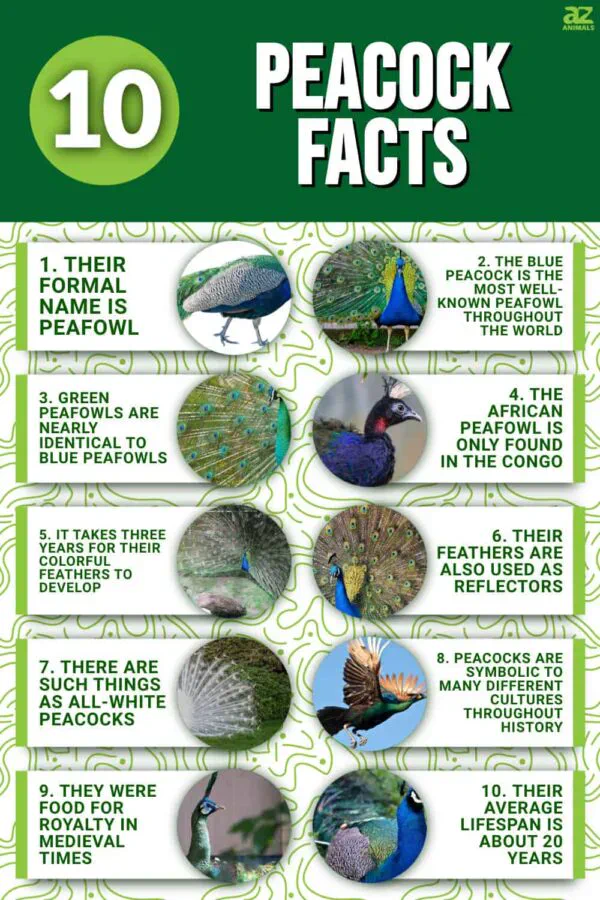
Peacocks, also known as peafowls, are mostly native to South Asia. The two most recognized species are the blue (Indian peacock) and green (Javanese) peacock.
Blue peacocks originate from India and Sri Lanka whereas green peacocks are found in Myanmar.
Peacocks can fly, but not for very long periods or distances. It is incredibly rare for a peacock to fly more than1.6 kilometres.
A-Z Animals
Sri Lanka is over 13,000 kilometres from Alberta, so our feathered friend certainly didn’t fly. The more realistic explanation is that the peacock escaped from captivity.
Peacocks are a common sight at zoos. The Calgary Zoo is known for its seven peacocks, one of which was a 17-year-old gentleman by the name of Norman, who passed away in February last year.
“No, it’s not ours, all of our peacocks are accounted for in their winter space,” Kim Walker, senior manager of animal care and welfare at the Calgary Zoo, toldCTV News.
Butterfield Acres in northwest Calgary followed suit, reassuring the public that their two peacocks, named Peter and Hamish, were both accounted for.
“When we first got them, we were not aware that they were going to go exploring as much as they did, and they wandered over to the neighbour’s acreage and discovered their reflections in the windows,” said Butterfield Acres spokesperson Chris Stock.
“That was quite humorous. So now we keep them in a covered flight pen, so they have plenty of room to spread their wings, but at the same time, they’re not able to go visit neighbours anymore,” she continued.
Birds of a Feather Flock Together
Peacocks are a classic case of all beauty, no brains. While they might not be the most intelligent birds, they are incredibly curious and surprisingly good at escaping.
If the peacock spotted in southern Alberta didn’t escape from a zoo, where did it escape from? If you guessed a home, you would be correct.
In the comments of her video, Osbak provided an update regarding the peacock.
“The lady who owns this peacock reached out to me tonight. I know her, I used to buy eggs from her so she had my cell number. The peacock is home safe and sound. His name is Richard,” she wrote.
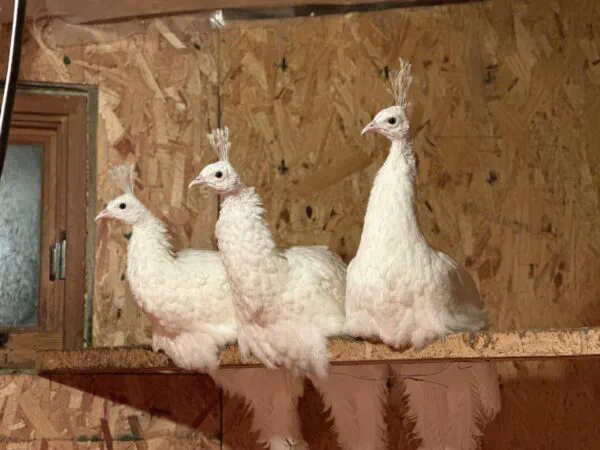
Most people wanting birds for pets settle for cockatiels or budgies, but peacocks are growing in popularity across the country. The beautiful birds are one of many exotic animals that are legal to own in Canada.
Linda Lagasse | Canadian Peacock Buy and Sell | Facebook
The Canadian Peacock Buy and Sell Facebook page, which is over 2,500 members strong, is proof of the colourful bird’s fame. Ironically, the page’s mostrecent post is from a southern Albertan looking to buy a friend for their peacock.
The poster, Kayla Nguyen, received offers from people across the province, including in places like Entwistle, Glenevis, Strathmore, and Lethbridge. One of the most active sellers online is Sam Lenders, who lives in Glenevis.
As far as peacock breeding goes, Lenders is a professional. She looks after about 50 breeding peacocks and sells the offspring once they are about three months old. Last year, Lender sold over 130 peacocks.
All of her peacocks are housed in warm facilities, dewormed twice a year, and are regularly checked by an avian vet specialist.
If you are interested in owning a peacock as a pet, you might want to reconsider. Peacocks require a large habitat, a balanced diet, and regular health checks. They are also not short-term pets and can live up to 20 years in captivity.
Although Richard made it home safe, he could have just as easily ended up as a snack for a hungry eagle. Thankfully, he lives to strut another day.