Norwegian Company Wants to Turn St. Albert’s Trash into Power: A Power-ful Idea or Just Rubbish?
Varme’s waste-to-energy plants could potentially reshape Alberta’s clean energy landscape… or will it?
Some deals sound too good to be true; this might be the latest in that category.
Representatives from Varme, a Norwegian company, presented an intriguing proposal at a recent gathering at the St. Albert Kinsmen Club.
They want St. Albert’s garbage.
It might seem like a weird ask, but Varme is the definition of a company that thinks one man’s trash is another man’s treasure.
“Our business relies on securing waste streams,” Rory Wheat, vice president of development at Varme,told the St. Albert Gazette.
Varme is a waste-to-energy company, meaning it generates power by burning trash.
The process involves burning garbage to heat water. The resulting steam powers a turbine generator, which produces electricity
Some of the burned waste can be filtered and used as material for road beds and rail embankments.
Metals like copper and iron can be pulled out with magnets and recycled.
“So we are very interested in St. Albert’s waste management strategy and whether or not they’ve considered waste to energy in the past,” said Wheat.
Sounds Great, So What’s the Problem?
Varme‘s plans involve establishing two waste-to-energy plants in Alberta, one in the Edmonton region and the other in the Innisfail area.
However, the energy generated in the facilities isn’t going to the general public. It’s earmarked for industrial endeavours, mainly targeting heavy industry, oil, and gas sectors.
There’s definitely some irony to burning fossil fuels to burn garbage to make energy to power fossil fuel plants… but let’s see where this goes.
What about the emissions from burning the garbage? If you’ve ever tossed a candy wrapper in a bonfire, you know it produces smoke with a nasty smell.
These garbage-burning facilities will be equipped with carbon capture technology to mitigate emissions.
They plan to capture that “candy wrapper smoke,” heavily filter it, and store the nasty residue underground.
Storing nasty pollution underground is all the rage in Alberta. Add that to Danielle Smith’s plan to bury all the heat-trapping gases created by the oil and gas industry but also the pollution Canada produces from burning natural gas to produce electricity—by storing them underground in Alberta!
Sean Collins, CEO of Varme Energy Inc., said inan interview with CBC that underground storage offers a promising avenue for environmental sustainability.
“When you incorporate carbon capture, all of the emissions that would normally escape out of the exhaust stack of a waste energy facility are captured and sequestered underground.”
“You both avoid the methane at the landfill and capture all of your carbon and put it underground, making the round trip experience significantly carbon negative.”
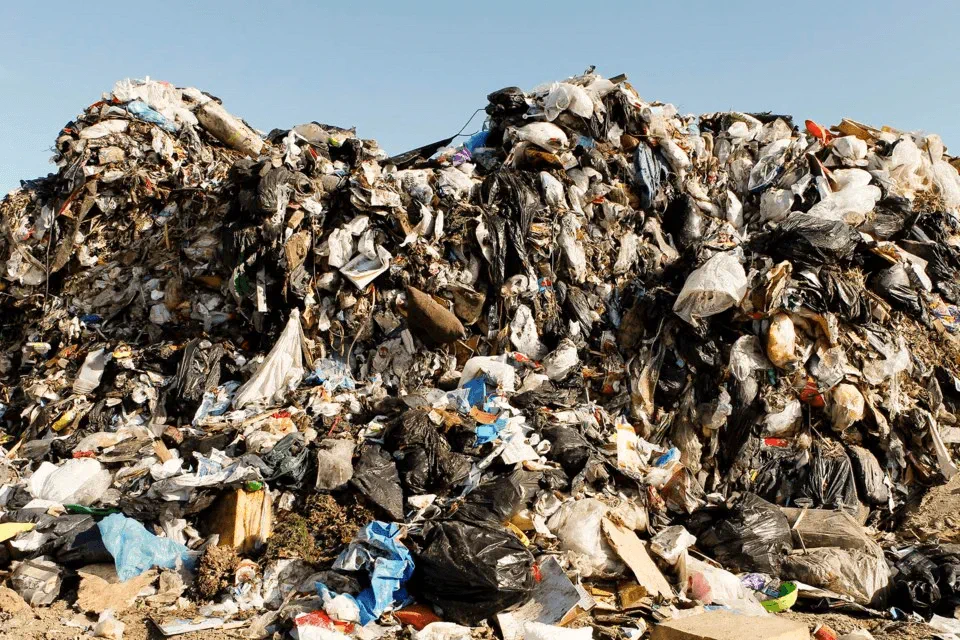
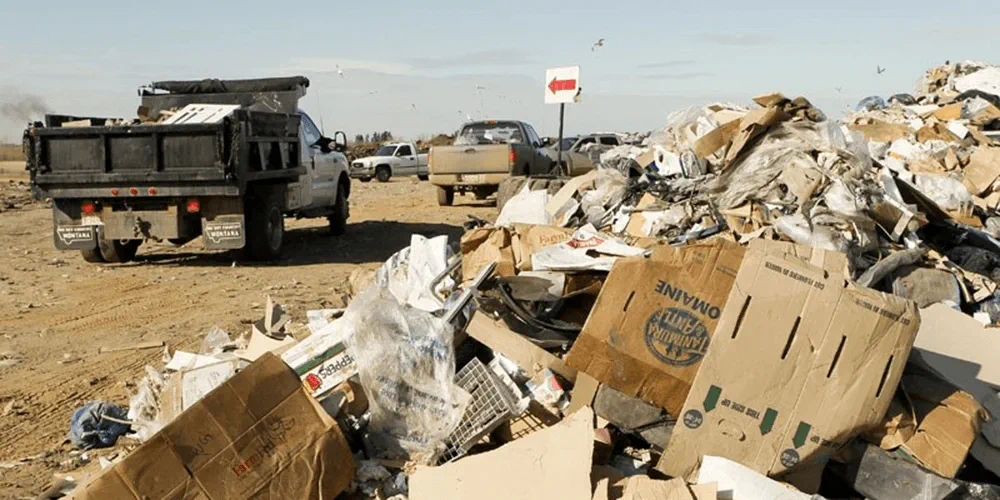
The RoseRidge Landfill | St Albert Gazette
Out of Sight, Out of Mind?
Just because we store stuff out of sight doesn’t mean it won’t come back to bite us in the ass.
Have we not learned anything from our underground storage attempts of nuclear waste, toxic waste, and garbage in general? How many leaking waste sites, ruined water tables, or burst CO2 pipelines does it take to learn the lesson that all that ‘safe’ underground waste ultimately ends up polluting our environment?
Carbon storage is also a very expensive process.
In an opinion piece for Scientific American about carbon capture and storage in the United States, environmental scientist and writer Jonathan Foley dismisses it as a “bad idea.”
“Don’t be fooled. It’s mostly a distraction from what we really need to do right now: phase out fossil fuels and deploy more effective climate solutions.”
Solves One Problem, But Creates Another?
However, for the City of Edmonton, the pros outweighed the cons.
The city signed a 15-year deal with Varme to help control its waste and emissions.
The deal will see 150,000 tonnes of the city’s garbage sent to the waste-to-energy plant.
“This alternative is expected to limit landfill use, lower regional greenhouse gas emissions, and reduce the carbon impact of our operations,” Denis Jubinville, an Edmonton official, told**CTV News.
It will be interesting to see if St. Albert goes the same route as Edmonton.
“The environmental benefits are obviously the extension of the life of landfills, as well as the reduction in the methane emissions from the landfills themselves,” Regan Lefebvre, then senior manager of utilities, said during a council meeting. “But it’s sort of a shades-of-green project.”
The other shades of green they were concerned with, as Coun. Wes Brodhead posed, were dollars.
“I’m wondering how you reconcile … our environmental responsibility versus our fiscal responsibility?”
“Our current system is failing, and a new system will not be free. I really look forward to ensuring that our priorities are going into the future champion environmental responsibilities,” said Coun. Natalie Joly on the topic.
Will this can-we-burn-your-garbage-for-energy project make the cut, or will it end up buried in the landfill?
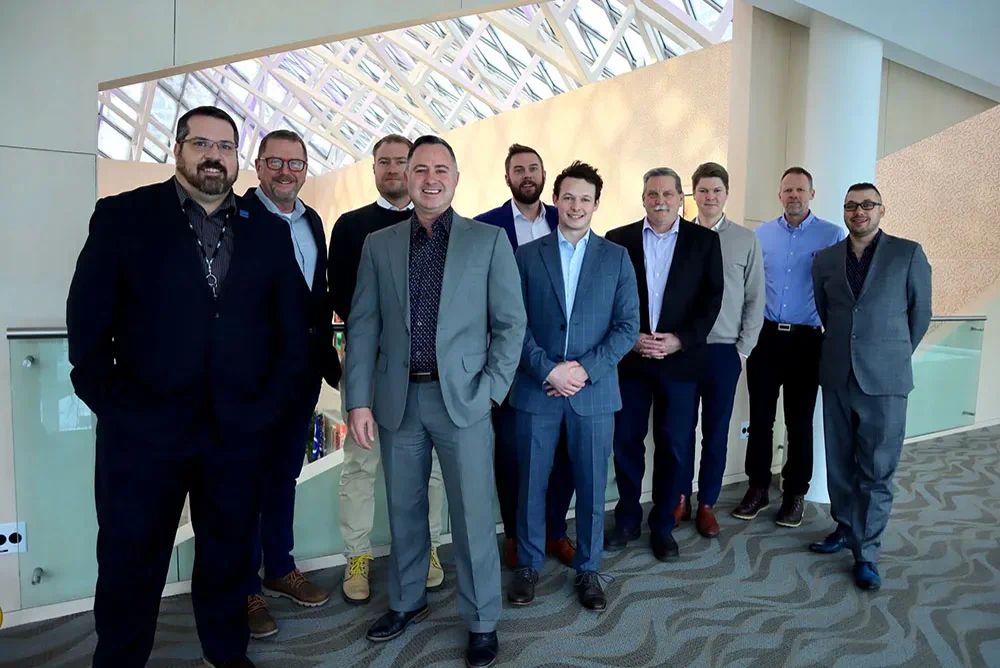
A press release photo of the agreement between Varme and the City of Edmonton to enable green electricity and industrial heat generation while diverting approximately 150,000 tonnes of residential garbage from landfill per year beginning as early as 2027 | Varme