Municipalities Earned Millions from Wind and Solar in 2025. Alberta’s Renewables Moratorium Didn’t Help Them.
One of the best places in Canada to build a wind or solar project has gone from leader to loser in the renewable energy sector thanks to regulatory uncertainty and a seven-month pause on approvals in 2023
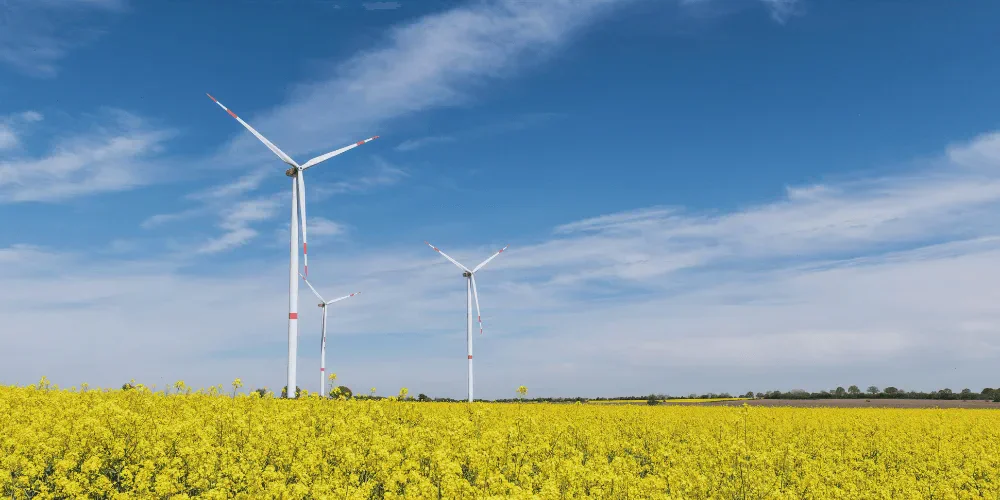
Alberta went from hero to zero in the renewable energy sector in a span of two years.
In 2022, the year before the provincial government slapped a seven-month moratorium on solar and wind energy approvals, Alberta welcomed more than 90 per cent of Canada’s new renewable energy projects.
The province has two things that make it an attractive destination for solar and wind power investment. First, a deregulated energy market allows private companies to develop projects and sell power through long-term power purchase agreements (PPAs.) Second, Alberta’s climate of sunny skies and windy prairies is a renewable energy jackpot.
However the moratorium, which left projects stalled and hanging, and ongoing regulatory uncertainty means Alberta is in danger of falling behind in the renewables market and losing its competitive advantage.
In a recent analysis, the non-profit Business Renewables Centre-Canada (BRC-Canada) said the renewable energy advantage Alberta once had is drying up and depriving municipal governments of tax revenue generating opportunities.
In 2025, municipalities collected almost $71 million in tax revenues from renewable energy. It’s a record tax haul from this sector, up from $54 million in 2024 and $28 million in 2023.
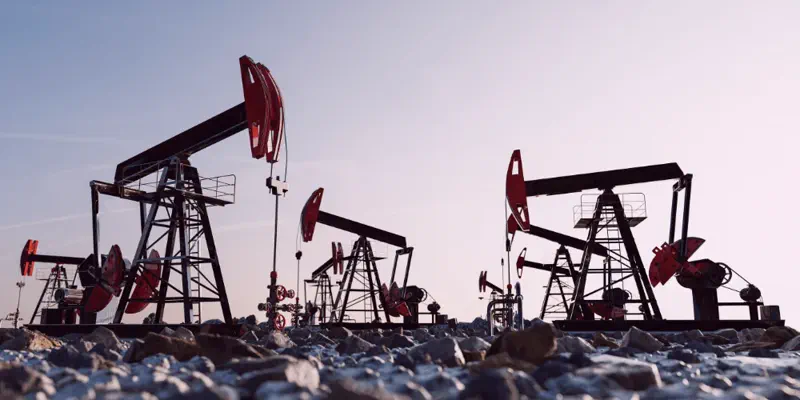
It’s also big bucks for municipalities who have been hit hard by oil companies’ tax evasion. As of 2024, counties and municipalities across Alberta were short nearly $254 million in property taxes as a result of oil companies shirking their responsibilities.
Currently, 37 solar and 49 wind projects provide tax revenues to 26 different rural municipalities in Alberta.
The counties of Forty Mile, Paintearth No.18, Special Areas Board, Vulcan, and Willow Creek No.26 were the big winners, each taking home more than $5 million in taxes.
Regulations costing Albertans jobs & revenue
Between January 2019 and October 2025, 3.32 gigawatts (GW) of renewable energy were purchased through PPAs.This is enough energy to power 1.7 million homes.
Building this energy infrastructure pumped $6.4 billion in capital investment into the economy and created 6,200 jobs.
Jordan Dye, director of BRC-Canada, said the honeymoon is over and Alberta stands to lose out unless the regulatory environment improves.
Following 2023 when the UCP hit the pause button, the provincial government introduced new regulations for solar and wind projects aimed at protecting viewscapes and farmland. Critics say the tight restrictions shut out 40 per cent of Alberta from potential green energy projects.
No such siting regulations exist for oil and gas wells.
These rules and the hangover of canceled projects due to the moratorium will cost Albertan municipalities an estimated $84 million in tax revenue, Dye said.
“It’s costing Alberta in terms of jobs, market share, affordable green power and taxes,” he said in an interview with The Rockies.Life.
The Alberta government is still in the process of developing the Restructured Energy Market (REM) aimed at improving energy reliability and affordability, and modernizing grid management to incorporate new sources of energy.
Dye said the renewable sector welcomes this energy market modernization but the sooner new rules hit the ground the better.
Reclamation rules for renewables stricter than for oil wells
Question marks remain. For example, investors still don’t know if viewscape rules will impact re-powering of wind turbines that have reached the end of their life.
Furthermore, the playing field remains tilted in favor of fossil fuels when it comes to clean up costs. Dye said reclamation rules for renewable projects are simply more demanding and costly than they are for oil and gas companies. There are roughly 180,000 inactive and marginal oil and gas wells in Alberta with an estimated cleanup cost of $60 billion.
When BRC-Canada compared Alberta’s renewable reclamation rules with those in 27 other jurisdictions, Alberta came out rock bottom.
“Alberta’s reclamation rules for renewable energy projects create a more costly reclamation security system than in all 27 other jurisdictions included in a scan done by the Business Renewables Centre-Canada,” concluded the study, which looked at Canadian provinces, states south of the border, and European countries.
Investment in renewables will take the path of least resistance. With ongoing uncertainty and restrictive siting and reclamation rules, Dye fears green energy dollars will flow elsewhere and rural Albertan towns will wave goodbye to needed tax revenue.
“Without a clear, competitive policy framework, this $70 million will be remembered as a high-water mark, not a stepping stone,” Dye said.