
Keep Your Kids Safe From Invasive Strep A
Strep A infections, which have been on the rise since 2017, reached record numbers this season, causing concern among parents

Winter, is also known to be the viral season.
In addition to snow and long nights, the colder months bring more respiratory diseases.
Viral infections like the flu make it easier for the infectious Streptococcusbacteria to attack the body, so GAS infections are more common in the winter.
This is bad news for kids, who are more vulnerable to viral infections than adults.
That makes it a busy time of year for parents.
What Is Group A Streptococcus?
Group A Streptococcus (GAS) is a type of bacteria that can cause skin, soft tissue, and respiratory tract infections.
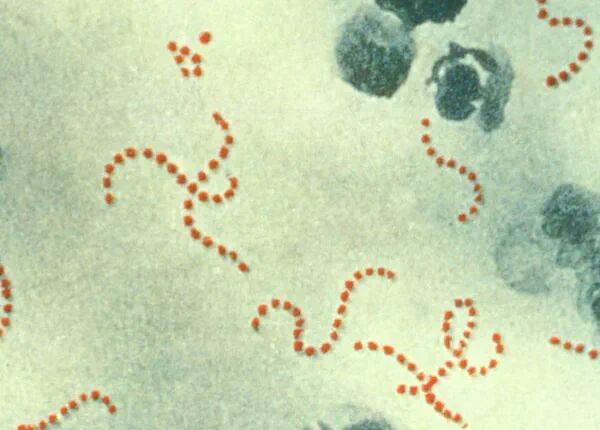
Group A Streptococcus under a microscope | CDC
Some people with GAS infections may not even show symptoms, while others experience only mild illnesses such as a sore throat and impetigo, a common skin infection that appears as reddish sores.
In very rare cases, GAS can cause life-threatening symptoms, such as necrotizing fasciitis, a flesh-eating disease.
In most cases, GAS infections go away on their own or are treated with antibiotics, according to Dr. Monika Naus.
Dr. Naus is the Medical Director of Immunization Programs and vaccine-preventable diseases at the BC Centre for Disease Control.
GAS might sound harmless, but severe cases of GAS have prompted doctors to urge parents to get their children vaccinated against flu and colds.
Group A Streptococcus recently claimed the lives of six children in Ontario and four children in BC.
Severe cases are extremely rare, but the respiratory infection is showing up in record numbers this winter, putting both adults and children at risk.
GAS/iGAS Cause & Prevention
GAS becomes iGAS when the Streptococcus bacteria invade the bloodstream or deep tissue.
Common entry points include an open wound, nose, and throat.
The infection can spread between people through discharges from the nose and mouth, including sneezing and coughing.
Infections can also spread if there is direct contact with infected skin.
“Vaccinations can prevent those infections, and those infections can be a precursor to a more serious bacterial infection,” said Dr. Naus.
While there is no vaccine against iGAS infections, staying up-to-date on vaccinations for the flu, influenza, and COVID-19 helps reduce the odds of infectious bacteria entering the body.
Unfortunately, invasive Group A streptococcal (iGAS) infections are rising.
“I do not mean to scare anyone, but it doesn’t have to be a serious trauma,” explained Dr. Naus.
According to Dr. Naus, one of the best ways to prevent GAS/iGAS infections is to wash your hands before eating or cooking and encourage your kids to do the same.
She also recommends using common sense and staying home if you or your children are sick.

TheRockies.Life Staff
Parents Have A Big Part To Play
Children don’t know what they are sick with.
That’s why it’s up to parents to keep a close eye on their kids.
“It’s a fine line trying to tell the difference between a child who’s miserable because they’re on their first or second day of a fever from the flu and a child who’s getting into trouble,” said Dr. Naus.
A few warning signs of a GAS infection include a swollen tongue, difficulty breathing, prolonged fever, grogginess, and a red rash.
Knowing who is most at risk of GAS infections is also important.
According to Dr. Upton Allen, head of infectious diseases at Toronto’s Hospital for Sick Children, people with weakened immune systems are most at risk.
“Among adults, those with long-term illnesses such as cancer, diabetes, kidney disease and on special medications such as corticosteroids may be at higher risk. Some of these infections may be mild, but some may have severe outcomes,” Dr. Allen explained.

TheRockies.Life Staff
Don’t Panic, Be Vigilant
On average, iGAS is fatal for about one in 10 patients.
In Alberta, there were 54 deaths and 669 hospitalizations related to iGAS infections in 2023.
But GAS infections have been documented since 1874; They aren’t the next COVID-19 pandemic.
It’s important to remember that most GAS cases are mild and rarely severe.
But that doesn’t make it any less important to stay vigilant.
Prevention is the best medicine, after all.
Children rely on adults, and that’s why we need to do everything we can to keep our kids safe from all sorts of illnesses, not just GAS infections.
The loss of children in Ontario and BC is a tragic reminder of this fact.