Just Another Lukewarm Apology?
The last pope to visit Canada was Pope John Paul II in 2002
Ingrained in Canada’s history are Catholic-run residential schools. Here, more than 150,000 First Nations, Métis, and Inuit children were subjected to abuse, rape, and malnutrition, resulting in the deaths of thousands of children.
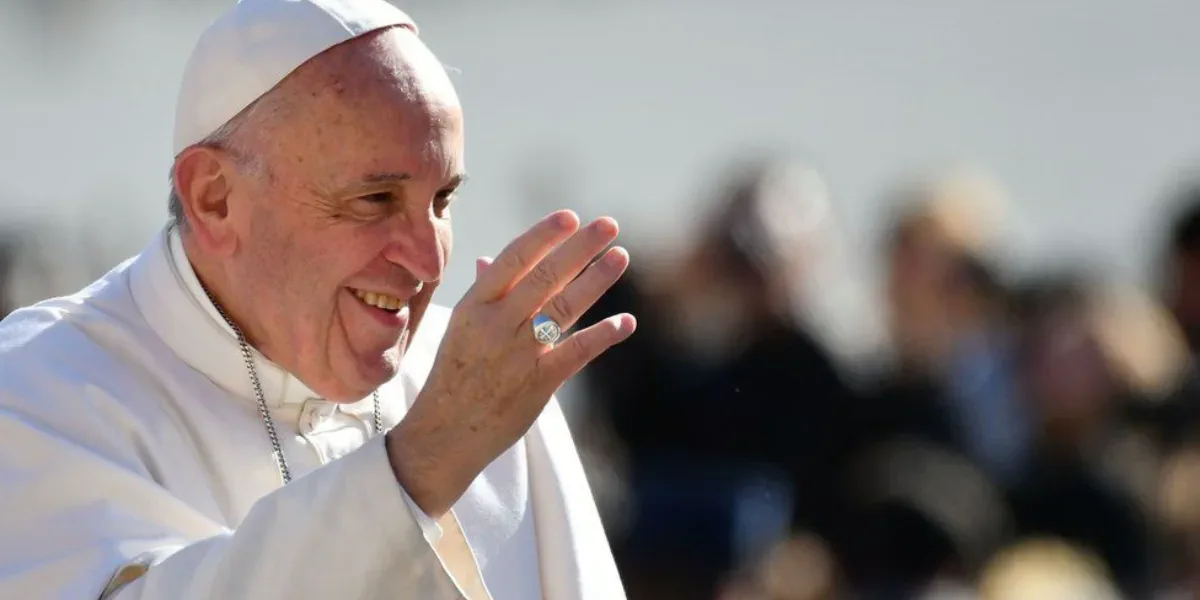
In an attempt to reconcile with Canada’s Indigenous peoples, Pope Francis will be travelling to Edmonton, Quebec City, and Iqaluit from July 24th to July 30th. Through what he calls a “penitential pilgrimage,” the Pope will meet with members of Canadian Indigenous groups, residential school survivors, and Catholics.
In total, Francis will deliver nine homilies and addresses as well as two masses. In case Catholicism and Christianity aren’t your forte, a homily is intended to explain a particular scripture or passage. Think of it as the moral of a story, except reallyreligious.
Free tickets for Francis’ open-air mass at Commonwealth Stadium in Edmonton were snatched up in just 30 minutes after opening on July 6, 2022. In Nunavut, almost 200 residents have applied for travel assistance to see the Pope during his stop in Iqaluit.
The Pope’s latest pilgrimage comes shortly after his historic apology in April. In a shocking display of sincerity, Francis asked forgiveness for the crimes committed by the Church against Canada’s native peoples.
At the very least, Francis’ apology was a step in the right direction, but is it enough? Without action, apologies carry very little weight. To Indigenous people in Canada, action means financial compensation, bringing artifacts home from collections and museums, and justice.
The Canadian Conference of Catholic Bishops has promised to raise $30 million for various initiatives. So far, the conference has raised $4.6 million. When it comes to promises made with First Nations, Canada’s track record is rocky.
Among other atrocities, Canada broke some of its Blackfoot Treaty (Treaty No. 7) promises. For example, the Canadian government promised to assist First Nations in transitioning to an agricultural lifestyle. Instead, the Blackfoot Treaty claimed almost half of Siksika’s reserve, including agricultural land.
In Alberta, action was recently taken in the form of a historic land claim settlement. In June 2022, Prime Minister Justin Trudeau signed a land claim settlement with Chief Ouray Crowfoot of Siksika First Nation.
The government’s latest agreement will provide $1.3 billion in compensation to First Nations to resolve outstanding land claims. This includes approximately 46,500 hectares of Siksika’s reserve land.