Do You Remember the Lodgepole Blowout?
The blowout took the lives of two firefighters and injured another 16 before it was capped
Sour gas is natural gas or any gas that contains a lot of hydrogen sulfide. Hydrogen sulfide is colourless gas that smells worse than a bathroom after a night of Taco Bell. But that’s not the worst part.
Hydrogen sulfide is highly flammable, explosive, and toxic even at low concentrations. It can cause anything from mild headaches to unconsciousness and death.
Hydrogen sulfide is created through the breakdown of organic material. That being said, hydrogen sulfide is common in natural gasses, oil, sewage, swamps, and stockyards.
This means it isn’t uncommon for oil and gas well projects to run into sour gas during the drilling period. When this happens, the well is labelled as a sour gas well.
In order to continue drilling, energy companies have to follow certain guidelines to make sure harmful gasses like hydrogen sulfide are handled safely.
That is exactly what the blowout preventer (BOP) was designed for.
A BOP is a mechanical device that can seal, control, and monitor oil and gas wells. BOPs are used to prevent blowouts, which are the uncontrolled release of oil and natural gasses from a well like hydrogen sulfide.
If hydrogen sulfide is like a wild animal, a BOP is a cage. But what happens when a BOP fails?
If the Lodgepole Blowout rings a bell, then you already know.
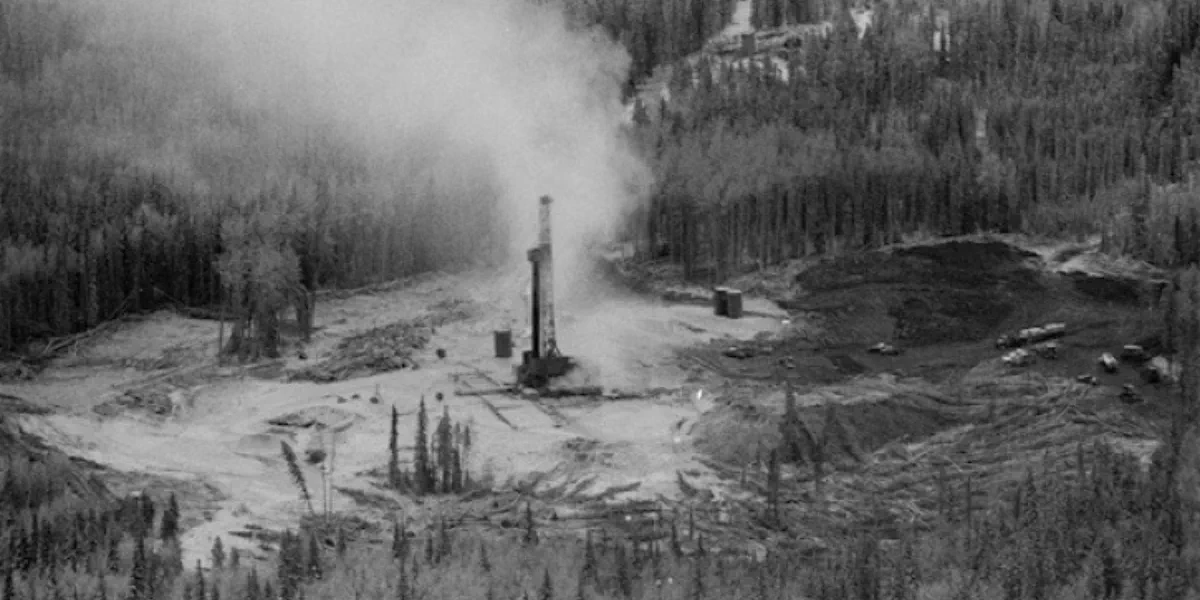
The date was October 17, 1982, when energy company Amoco Canada lost control of a major sour gas well near Lodgepole, Alberta.
When the well’s BOP failed, it began spewing hydrogen sulfide for 68 days. During its rampage, the well exploded into flames, killed two firefighters who tried to cap the well, and injured another sixteen.
But the impact of the Lodgepole Blowout wasn’t just felt at ground zero. The hazardous gas had drifted as far as eastern Canada and could even be smelled in Calgary.
In response to the smell, more than 1,500 complaints were filed by concerned Albertans.
“Everyone was upset, and not just about the smell…People were getting sick; farmers and ranchers watched their cattle get sick—even stainless steel appliances and cars were discolouring,” said Jim Reid, former Drayton Valley Assistant Area Supervisor with the provincial energy regulator.
While some livestock and residents living near the blowout were evacuated, some weren’t. There were no emergency or evacuation plans. But after being exposed to the escaped hydrogen sulfide, many of these people fell sick.
As for dollars and cents, the blowout cost Amoco Canada almost $10 million in equipment damages and more than $100,000 per day.
It wasn’t until December 23, 1982, when another blowout preventer was placed over the well, that the nightmare came to an end.
So what’s the moral of the story? The Lodgepole Blowout made it painfully clear that the emergency response from Amoco Canada and the government was unacceptable.
With the well finally capped, the Energy Conservation Board (ERCB), now known as the Alberta Energy Regulator (AER), held a 50-day inquiry. Once the inquiry ended, 39 recommendations were put forward on how to prevent sour gas blowouts in Alberta.
Recommendations included stricter sour gas drilling regulations, special equipment, safety training, and clearer emergency and evacuation plans.
On this day in 1982, Alberta was given a wakeup call. Today now serves as a reminder of how far the province has come with its sour gas regulations.
But that doesn’t mean they are perfect. After all, wouldn’t it be better to avoid poking the hornet’s nest entirely? Is sour gas really worth risking the lives of Albertans?