
Digital Camera Comeback: Why Youth Are Turning Retro
Point-and-shoot cameras are making a comeback as Gen Z opts for simplicity and charm over smartphones.
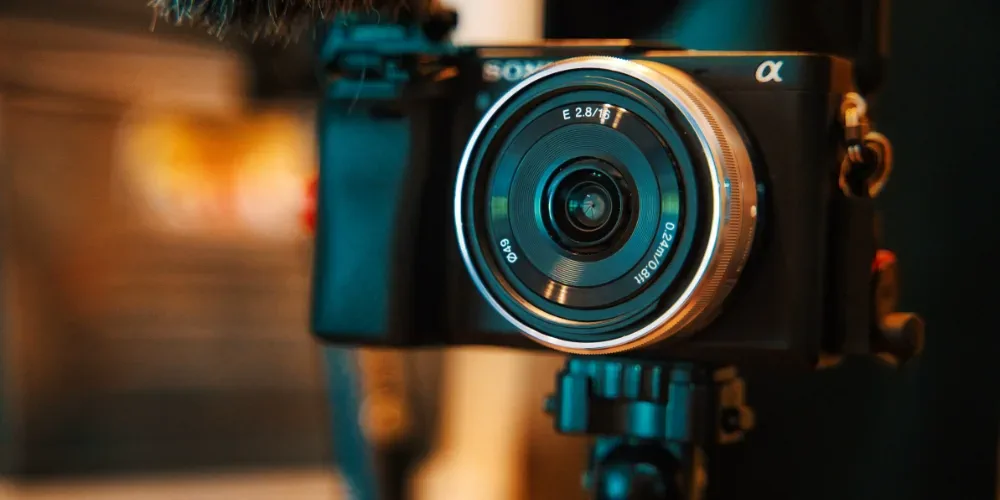
A picture is worth a thousand words and taking photos has never been easier thanks to smartphones.
Gone are the days of snapping photos on disposable or digital cameras and driving to Walmart to process them.
Now, you can pull out your smartphone, take a picture, and post it online instantly. In 1975, Steve Sasson invented the first digital camera for Eastman Kodak, better known as Kodak.
The popularity of digital cameras began to fall with the release of camera phones like the Kyocera Visual Phone VP-210 in 1999 and the Samsung SCH-V200 in 2000.
By 2003, camera phone sales overtook digital cameras, a trend that was accelerated with the release of Apple’s iPhone in 2007.
Nowadays, everyone and their mother owns a smartphone that can take high-quality photos. The age of digital cameras might be over, but an unlikely demographic wants to bring them back: Gen Z.
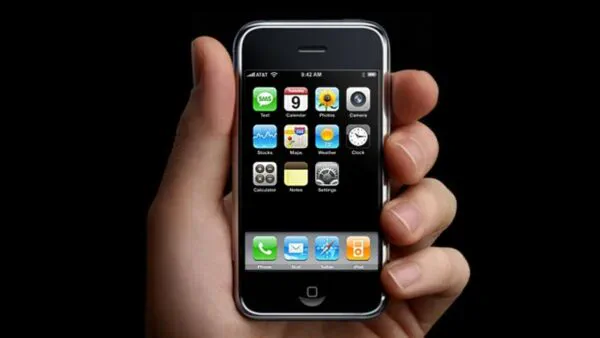
The first iPhone unveiled in 2007 | Mark Mathosian | Flickr
It comes as no surprise that Gen Z is one of the most tech-literate generations right next to Millennials.
What might come as a surprise is that Millennials aremore tech-savvy%20and%20Silents%20(31%25).) than Gen Z. Millennials grew up with the rise of the internet, mobile technology, and social media.
Millennials understand these tools on a deeper level. As a result, Gen Z might struggle to grasp tasks that rely on the traditional technology Millennials are used to.
Either way, why on earth would Gen Z want to bring back what is essentially a relic to them? Looking at this generation’s track record, their fondness for digital cameras isn’t unusual.
Vinyl is back on the menu, with record sales in their 16th consecutive year of growth. The sale of vinyl records is driven by, you guessed it, Gen Z and Millennials.
Film cameras are seeing similar popularity, especially in Alberta. Last year, a 20-year-old high school film photography course was brought back due to agrowing interest in film photography.
Living in the Moment
Evelyn Drake works at Calgary-basedThe Camera Store, a camera store (who would have thought). She has seen the comeback of digital cameras firsthand.
“We are seeing more young people looking for things like point-and-shoot cameras, which we literally can’t keep on the shelves,” Drake toldCBC News.
The growing interest in digital cameras is captured on social media and Google. At the end of last year,#digitalcamera had about 287,000 posts on TikTok. That number has climbed to over 309,000 as of today.
According to Google Trends, the term “digital camera”reached its 2024 peak last December. Digital cameras are coming back. The big question is, why?
Veronica Garcia, a 26-year-old Calgary resident, might have the answer. Garcia sports a Nikon Coolpix S4100, a digital camera released in 2011.
Her digital camera is part of her retro arsenal, which includes a flip phone, a portable MP3 player, and a 2001 Canon ZR30MC digital camcorder she inherited from her dad.

A side-by-side comparison of a photo taken with an iPhone 13 (right) and a digital camera (left) | Lily Dupuis | CBC News
“I love this thing…The way I use it, I feel like it helps me be more in the moment instead of it being like a phone,” said Garcia while talking about her digital camera.
The younger generations are chronically online. In 2021, about 97 percent of children between the ages of three and 18 hadaccess to the internet, with many spending up tonine hours a day staring at a screen.
To Garcia, using a digital camera is a way to disconnect from being online. Nostalgia and affordability are also big reasons for the resurgence of digital cameras.
Modern smartphones can capture and produce incredibly high-quality photos with the press of a button, but all these highly processed photos start to look the same after a while.
Imperfections are what make digital photos special. Using a digital camera is also a much cheaper and more personal experience. You snap a photo, upload it to your computer, and edit it.
Despite growing up in an online world, the younger generations are reclaiming what it means to live in the moment.