Calgary Zoo’s New Giraffe Amani Brings Hope for Masai Giraffes
The Calgary Zoo hopes Amani, a Masai giraffe, will connect with Nabo to aid giraffe conservation efforts
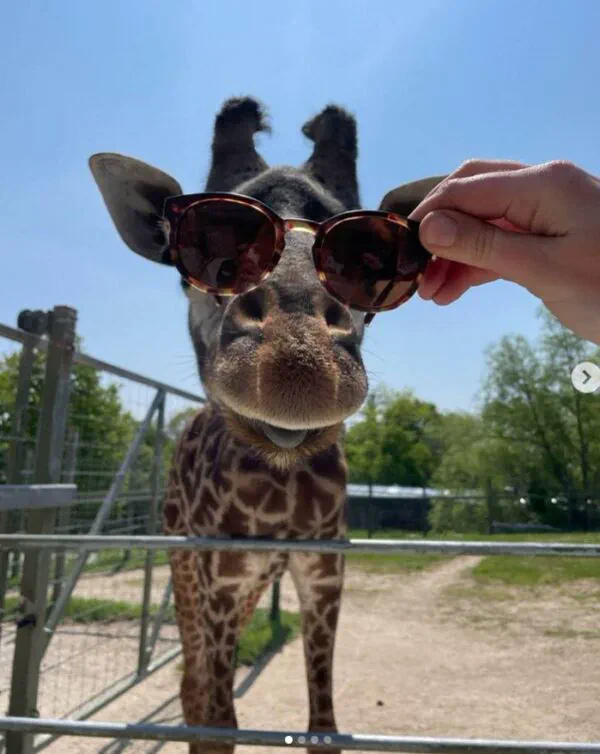
Amani, a four-year-old Masai giraffe, looking stylish at the Toronto Zoo | Toronto Zoo | Instagram
Move over Moo Deng; there’s a new animal celebrity in town.
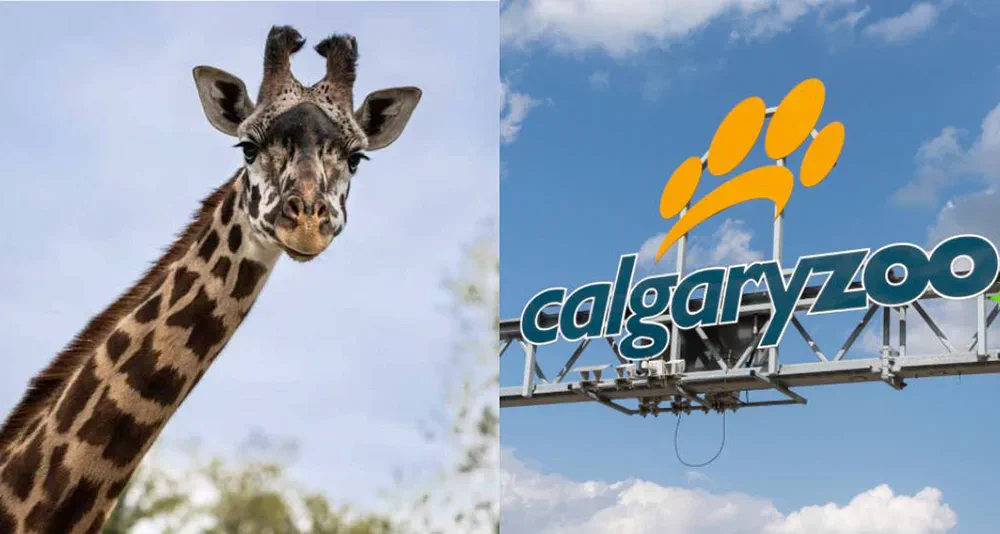
TheWilder Institute/Calgary Zoo recently added a four-year-old female Masai giraffe named Amani to its roster of adorable animals.
Amani means “peace” in Swahili and “wishes” in Arabic. It is the zoo’s wish that Amani will attract the attention of Nabo, a 14-year-old male Masai giraffe.
“As Canada’s only unrelated male Masai giraffe, Nabo is not just a tall, handsome suitor, he’s the most eligible Masai giraffe bachelor in the country,” wrote theCalgary Zoo in astatement.
Nabo is one of a kind in Alberta but could become one of a kind, period.
In 2019, the International Union for Conservation of Nature, the global authority on wildlife conservation,announced that Masai giraffes were endangered.
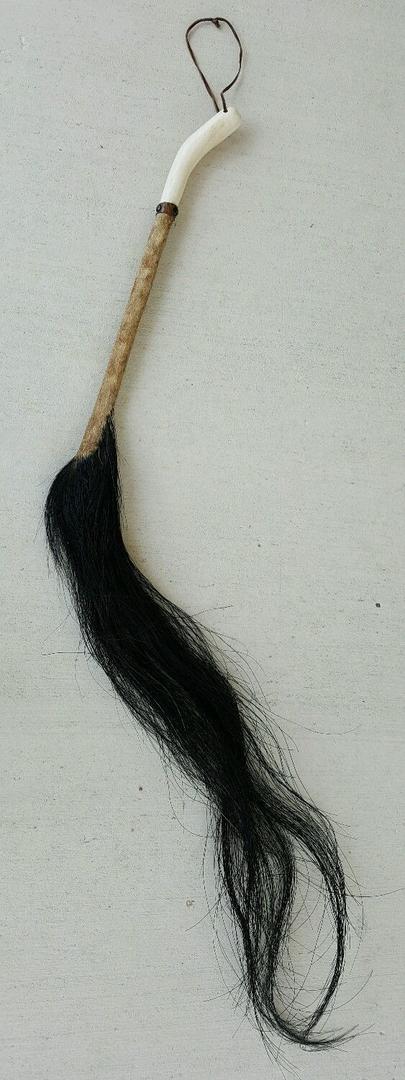
An example of a fly whisk made using a real giraffe tail | Worth Point
The Giraffe Conservation Foundation found that the species’ population has fallen by 50 percent in the last three decades, leaving only 35,000 Masai giraffes in the wild.
The cause? Two of the main culprits are habitat loss and illegal poaching. Masai giraffes are native to Tanzania and Kenya.
In Tanzania, an estimated two to 10 percent of the population ishunted illegally every year in Serengeti National Park.
These beautiful animals are poached for their hide, meat, bones, and tails. Giraffes’ hair is used to make jewelry, and some African cultures highly value their tails.
These cultures often use giraffe tails to make good-luck bracelets, thread for sewing, and fly whisks.
Giraffes are also killed for their bone marrow, skin, and brains, which some Central and East African cultures believe cancure HIV-AIDS. There is no scientific data to support this belief.
While we are distant from the problem here in Alberta, we are closer than you might think.
This past summer, a Saskatchewan company was fined $60,000 for illegallyimporting and possessing taxidermied protected wildlife species, including a giraffe.
Warming Climate Shrinks Giraffe Habitats
In addition to illegal poaching, Masai giraffes are losing their homes at an alarming rate due to a warming global temperature.
A warming climate has made droughts more common, longer, and severe.
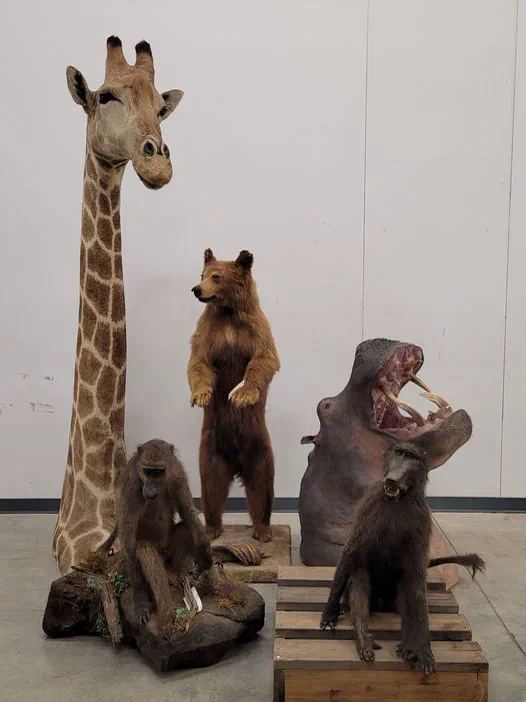
Taxidermized animals owned by Saskatchewan company OSY Rentals Limited. The company pleaded guilty to two offences | Environment Canada | X
According to two scientific reports published in 2023, a warming climate made the devastatingHorn of Africa drought and therecord temperatures in the Western Mediterranean at least 100 times****more likely.
Many giraffes live in the Horn of Africa, a large peninsula in East Africa. Between June and November 2022, the region’s drought killed over 6,000 animals, including almost 100 endangered Masai giraffes.
The ongoing drought is the worst the region has seen in four decades. It has dried up the rivers, watering holes, and grazing areas that giraffes rely on to survive.
Giraffes are now forced to look elsewhere for resources, often pushing them toward human communities, leading to human-wildlife conflicts.
For example, giraffes have started eating farm produce likemangoes and drinking the water farmers rely on for agriculture.
In some cases, farmers have resorted to lethal methods like snares, spears, and ditches to stop giraffes from drinking their water. A warming climate affects both animals and humans. Both are trying to survive.
A giraffe herd, also called a tower, is usually between 10 and 20 members. These giraffes work together to survive using a power-in-numbers strategy.
Habitat loss caused by a warming climate makes food and water scarce, causing towers to split up as there are not enough resources to support its members.
A smaller tower is at greater risk of predation. In a larger tower, the odds of at least one member spotting a predator are much greater than in a smaller tower.
Calgary Zoo Welcomes New Giraffe Amani
It isn’t all bad news for giraffes! In Canada, several zoos, including the Calgary Zoo, are doing their best to help grow the Masai giraffe population.
Getting adorable Amani to the Calgary Zoo was a tall order, and the zoo had to work hard to get her there.
“From securing the necessary permits to ensuring Amani’s health and safety, this complex process involved close collaboration between teams at the Wilder Institute/Calgary Zoo and the Toronto Zoo,” said the Calgary Zoo.
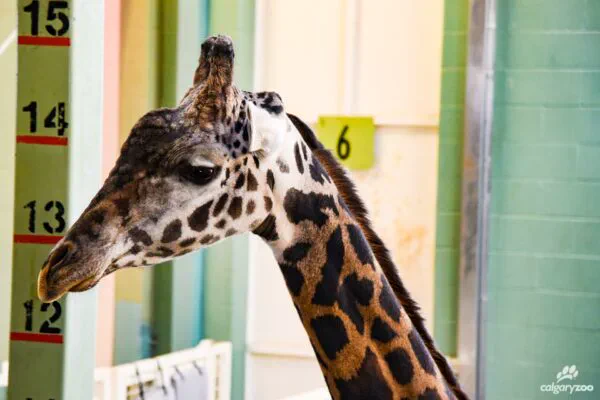
Nabo, one of four Masai giraffe in Canada, at the Calgary Zoo | Calgary Zoo | Facebook
Amani was transported in a special trailer. Unfortunately, a mechanical issue forced her to stay overnight in a WestJet hangar in Saskatchewan before continuing her journey to Calgary.
Amani will be in quarantine for the next 10 to 30 days before she is introduced to the rest of the tower. In addition to Amani and Nabo, there are two Masai giraffes in Canada, both of which are in Toronto.
Amani’s arrival is part of one of the Calgary Zoo’s almost 300Species Survival Plans (SSPs) designed to manage and conserve endangered or threatened species.
We could all use a matchmaker like the Calgary Zoo, but whether or not Amani and Nabo click has yet to be revealed. Nabo better brings his best pickup lines to their first date.
According to a 2023 study, the best way to help protect giraffe species like the endangered Masai giraffes is to support anti-poaching and wildlife law enforcement organizations.
Donating to organizations like Akashinga, formerly the International Anti-Poaching Foundation, helps preserve our planet’s wildlife, including the beautiful Masai giraffes.
If you would like to do more to protect giraffes, avoid buying products that are made with giraffe parts and encourage others to do the same.
We are rooting for Amani! Nabo is a handsome fella, and he is tall to boot! If you are eager to see Amani and Nabo yourself, consider visiting the Calgary Zoo, Canada’smost popular zoo, for yourself!
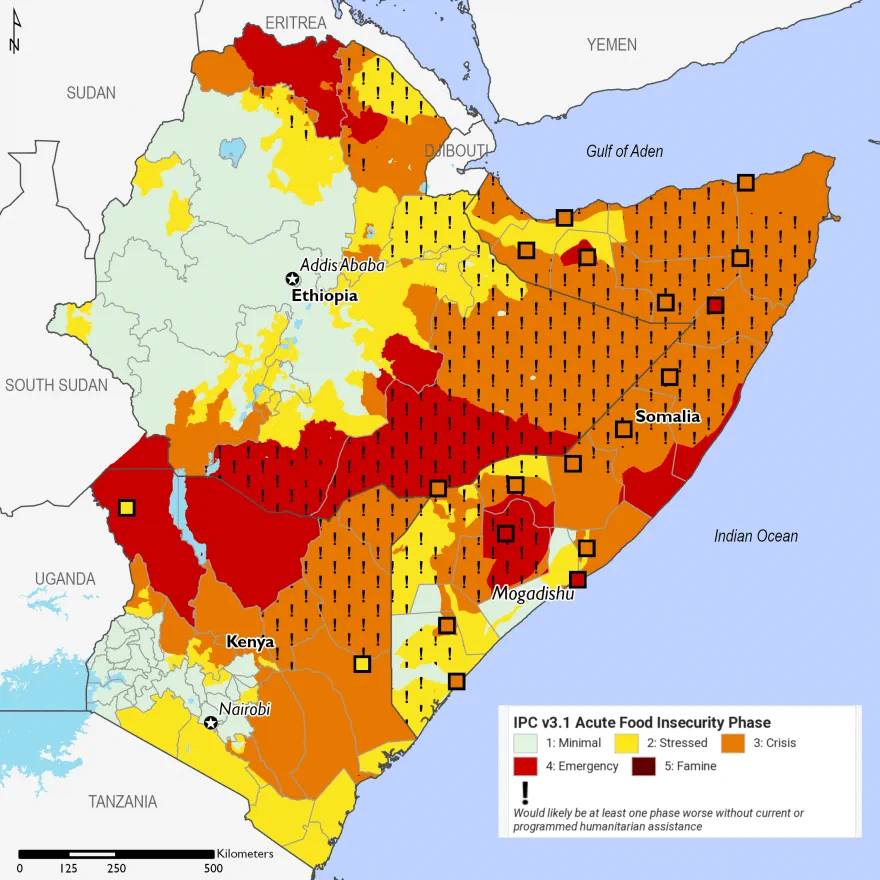
A map of the Horn of Africa between October 2022 and January 2023 showing the severity of food insecurity as a result of the ongoing drought | Famine Early Warning System