Who knew that a bridge could become such a controversial flash point?
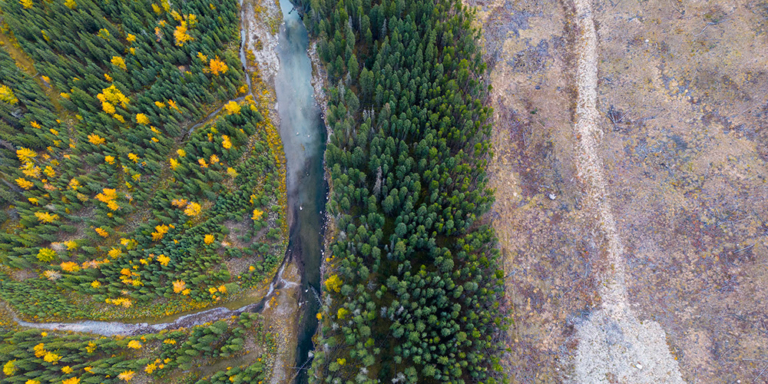
Cochrane’s Spray Lake Sawmills originally built the bridge over the Highwood River in Kananaskis Country for logging access.
The controversial, and some call illegal bridge, now owned by BC-based West Fraser Timber, is being dismantled, raising questions about future logging plans in Kananaskis Country.
The bridge was the subject of a Department of Fisheries and Oceans (DFO) investigation because the logging company did not apply for permits to build the bridge.
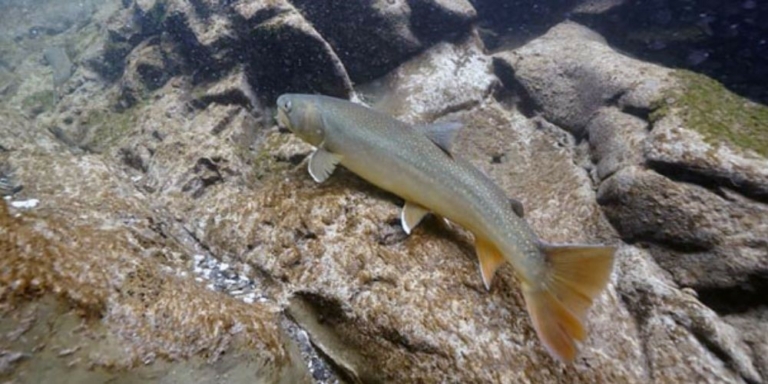
The Highwood River is a critical habitat for bull trout and west slope cutthroat trout, both of which are listed as threatened by Canada’s Species at Risk Act (SARA).
West Fraser declined to confirm whether the dismantling of the newly built structure was a direct result of the DFO investigation.
Removed But Ultimately Replaced
Although the bridge is being removed, conservation groups are not celebrating.
A replacement bridge will be built next summer to provide access to planned clear-cutting operations in Kananaskis.

“The decision to remove the existing bridge and to rebuild a fully conforming bridge at a future date was made by our staff after discussions with regulators and the input of others,” said Joyce Wagenaar, West Fraser’s Director of Communications.
“Based on stakeholder inputs and the DFO approval, we are now starting the remediation phase of the existing Highwood River bridge site, which includes the bridge removal.”
Conservation groups are not happy.
Phillip Meintzer, Conservation Specialist at the Alberta Wilderness Association, laments the lack of transparency from the DFO.
“There’s been nothing put out about the investigation from DFO into the bridge construction. We’re still missing a lot of the information . . . the environmental groups don’t have all the information, and the public doesn’t have all the information,” he said.
“We have mixed thoughts because, ideally, this bridge should have never been built in the first place. It’s in critical [trout] habitat, and it was built without DFO permits. It’s going to result in sedimentation, which is going to have impacts for fish.”.
Flyfisher Glenn Anderson, who fishes the area often, has confirmed that bull trout are active in the Highwood now. He worries that the removal of the bridge at this time of year will cause further problems for the spawning fish.

Logging Will Continue
Once a new ‘permitted’ bridge is built, West Fraser plans to log about 1100 hectares in 2025.
A recent watershed assessment warned West Fraser’s 1,100-hectare logging plan would impact critical at-risk fish habitat through sediment delivery associated with logging activities.
Josh Killeen of the Canadian Parks and Wilderness Society says his group is concerned about logging in Kananaskis. “We continue to oppose clearcut logging in this area because of the risk to native trout species and other values. A permit for habitat destruction for this new planned bridge should not be issued given that the project does not meet requirements for permitting under the Species at Risk Act,” he said.
Killeen is also part of a team currently conducting fieldwork using publicly raised dollars through donations to build a case against logging’s impacts on forest hydrology, fish distribution, and habitat use and monitor erosion and sedimentation in the Highwood River.
The public funding raises the question of who should shoulder the responsibility to understand the environmental impacts of clearcutting. Is it the public, the government, or the logging company?
Killeen said the study’s purpose is to “really give a comprehensive picture of the state of this watershed right now, its current condition, and the potential risks to that state if the logging plan does go ahead.”
Many residents of nearby communities, who cherish Kananaskis Country for its natural beauty and recreational opportunities, have expressed concerns about the potential impact of logging activities on the pristine wilderness supposedly protected for recreational opportunities.
Amber Toner from the group Take a Stand for the Upper Highwood thinks the logging approval conflicts with the stated purpose of the Kananaskis Conservation Pass, which costs Albertans $90 a year to access the recreational opportunities of Kananaskis.

Finding Balance
For many working families in western Alberta, the bridge controversy highlights the delicate balance between economic interests and environmental conservation. The logging industry has long been a significant regional employer, providing stable jobs and supporting local economies. At the same time, there’s a growing recognition of the importance of preserving natural habitats and maintaining access to outdoor recreation areas.
“We understand the need for jobs, but we also need to think about the long-term health of our communities,” explained John Becker, a longtime resident of Cochrane. “Our forests are more than just timber – they’re part of our identity and our way of life.”
As the debate continues, many residents call for increased transparency and public consultation in decision-making processes regarding land use in Kananaskis Country. There’s a growing sentiment that the voices of local communities should play a more significant role in shaping the future of these beloved natural spaces.
Finding a balance between economic development, environmental conservation, and community well-being remains a critical challenge, requiring ongoing dialogue and collaboration among all stakeholders.