Backyard Breeders Suspected in Shiba Inu Dumping Case
The Alberta SPCA is monitoring the situation after several Shiba Inus were found abandoned
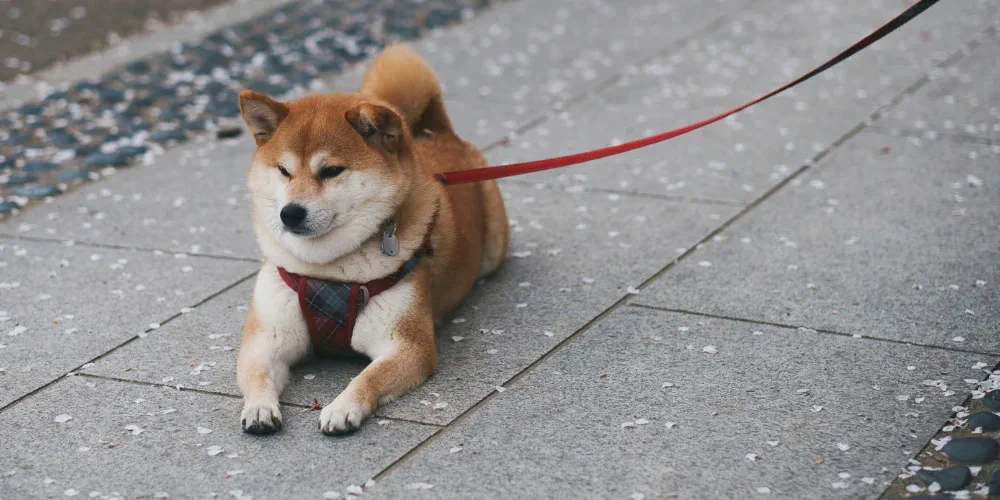
Dogs are a man’s best friend; to many of us, dogs are more than pets; they are family.
But to others, dogs are just another commodity.
The Alberta SPCA has started investigating after several abandoned dogs were reported north of Airdrie.
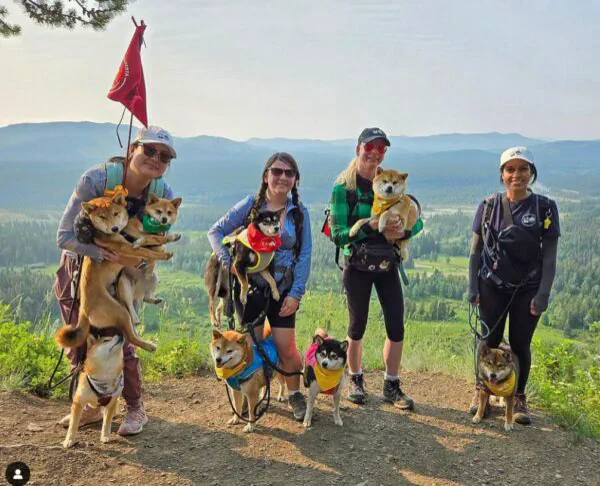
Members of SISA participating in the Society’s Squad Hike alongside their Shiba Inu companions | @shibainusocietyofab | Instagram
In an email to CBC News on Thursday, a spokesperson from the Alberta SPCA confirmed the investigation is ongoing. Still, they couldn’t share the details yet.
According to the Shiba Inu Society of Alberta (SISA), the dogs found between Carstairs and Crossfield are all believed to be Shiba Inus and were found at the end of July.
Shiba Inus are an ancient medium-sized Japanese breed used as a hunter. Today, the spirited, good-natured Shiba is Japan’s most popular companion dog.
On July 31, SISA posted on social media that they were “actively following a suspected dumping case of several Shiba Inu in the Crossfield/Carstairs area.”
The post mentioned that the dogs were black, tan, and small, hinting that they might be puppies or possibly a mixed breed.
Sandra Wong, a board director with SISA, shared that they first heard about the situation through their community members on social media.
“When this situation happened, several community members sent it to us. We didn’t really understand the magnitude until several dogs were found,” Wong toldCBC News.
Wong also mentioned that they think around 10 or 11 dogs were discovered. The dogs were taken to the Carstairs Veterinary Clinic, but there might still be more.
Local sightings suggest there could be as many as 13 or 15 dogs. The post said the dogs were reportedly in “poor condition.”
An update on August 1 revealed thatKCS Animal Rescue**in Crossfield had taken in three dogs, but they couldn’t say much more.
The Alberta SPCA has remained tight-lipped about where the rest of the dogs are currently located.
However, they did explain that animals are typically taken to a vet before being moved to other caretaking facilities.
“The caretaker could be a vet, or it could be a partner shelter, as we don’t maintain our own shelter. Once any required hold period has expired, the animals are legally transferred to a partner shelter or rescue for rehoming,” said an Alberta SPCAspokesperson.
It’s even possible for an animal to remain at a vet or shelter while under the SPCA’s legal care and control.
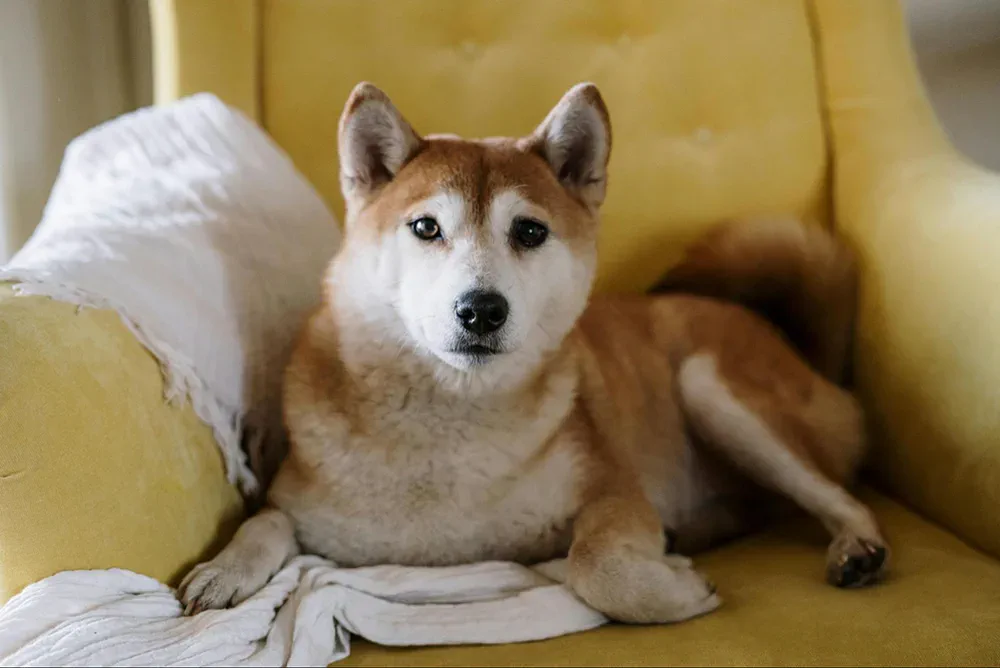
A traditional looking Shiba Inu | Pexels.com
Backyard Breeders Suspected
Shiba Inus, known for being outgoing companions, friendly to people, and excellent watchdogs, were nevertheless bred as hunting dogs..
But as Sherri Davidson, the president of Shiba Inu Canada, pointed out, they’re “not good off leash and can be assertive,” making them a challenging breed to raise.
Davidson was “appalled” when she heard about the abandoned dogs and suspects this could be a case of backyard breeders dumping them.
These breeders often run smaller, unlicensed operations motivated by profit without fully understanding the challenges of raising a breed like the Shiba Inu.
“We get very concerned about people who think they can breed the dogs for profit and not necessarily understand the intricacies of raising a primitive breed like the Shiba Inu,” said Davidson.
Adding to the mystery, Davidson noted that finding so many black and tan Shibas is unusual since most in Alberta are red with white patches.
“Almost all of the breeders in the province that I am aware of … we don’t have that many of that colour. They’re just not that popular in Alberta,” she explained.
Shiba Inus aren’t exactly cheap. Depending on the breeder, Shiba Inu puppies cost anywhere from$1,500 to $3,500.
As Wong mentioned, “They are very valuable, so of course, we’re seeing a big resurgence in that breed,” with more breeders popping up as their popularity grows.
While SISA isn’t directly involved with the SPCA’s investigation, Wong hopes they’ll learn more soon.
“For this instance, we want the best outcome,” she said. “My greatest hope is for everyone across Alberta to know that there are resources and community groups like us.”
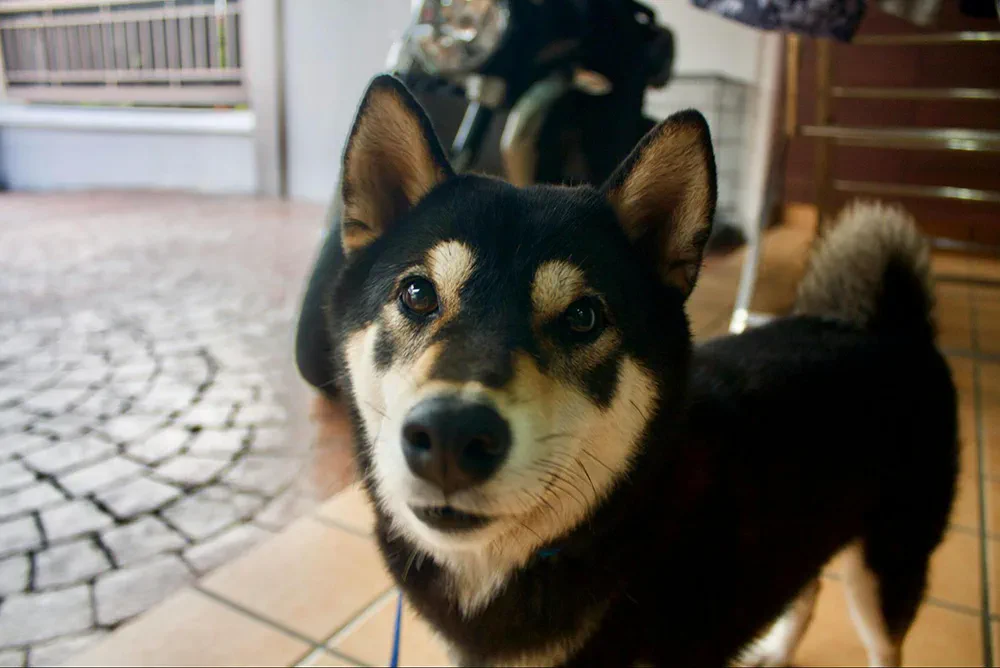
An example of a black Shiba Inu | Pexels.com
The Problem With Puppy Mills
Because of backyard breeders, there are thousands of puppy mills across Canada, with up to100,000 dogs being bred for commercial purposes.
Puppy mills are commercial breeding operations that force dogs to produce countless puppies. These puppies are sold through internet sales, online classified ads, flea markets, and pet stores.
Depending on the province, puppy mills are perfectly legal.
In Alberta, you generally need a license to breed dogs, but the requirements can vary depending on the municipality.
In some areas, individuals or businesses involved in dog breeding must obtain a business license or kennel license, which may include inspections to ensure the welfare of the animals.
These regulations are not just rules but a means to promote and uphold responsible breeding practices. They are designed to ensure that the animals are cared for in a manner that respects their well-being.
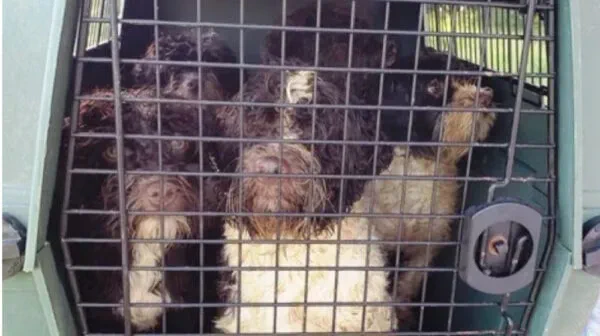
Some of the dogs seized from the unethical puppy mill in northeast Edmonton in 2019 | Edmonton Police Service | CBC News
However, the rules can differ widely across regions, and in some rural areas, they might be less strict or less enforced.
Under Alberta’sAnimal Protection Act, allowing or causing an animal distress or not supplying their animal with adequate food, water, care, space, and shelter is punishable by law.
Regrettably, many puppy mills in Canada and Alberta operate without concern for the law. These mills, which breed dogs without a license or inspection, are a stark reminder of the need for strict enforcement of regulations.
The conditions of these puppy mills are often filthy. In 2019, a 57-year-old woman was charged withanimal cruelty for operating an unethical puppy mill in northeast Edmonton.
A total of 72 dogs were seized from the property, all of which showed signs of neglect and potential illness. According to one officer, the residence smelled of urine and feces.
Some puppy mills are sneakier than others, making it difficult for prospective dog owners to verify whether their breeder is legit.
Be cautious if a seller or organization constantly has puppies available, advertises frequently, sells in public places like flea markets or roadsides, or avoids showing you their breeding facility.
Red flags include:
-
Refusing to share their vet’s information.
-
Offering multiple or “rare” breeds.
-
Selling as an “agent.”
-
Pushing puppies under 8 weeks old.
Legitimate breeders should prioritize the well-being of the puppies and vet potential buyers, not just focus on the sale.
Groups likeAlbertans Against Puppy Mills are working hard to end puppy mills in Alberta and Canada. However, much work still needs to be done.
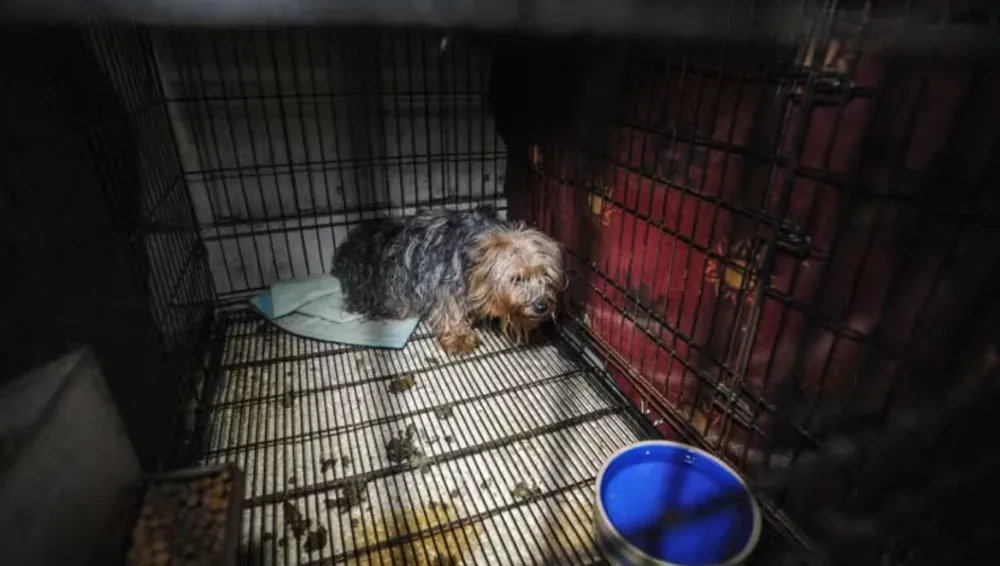
A dog rescued from a puppy mill in Quebec, where most puppy mills are located | Jo-Anne McArthur | We Animals Media with the Montreal SPCA | CBC News